The #1 Chiropractor In La Quinta & Coachella Valley
Visit Us
78353 Highway 111 La Quinta, CA
Schedule Now
(760) 564-2338
Questions?
[email protected]
Hours
Mon - Friday: 9AM - 6PM
Chiropractic Care Treats Neck Pain from Car Accidents

Neck Pain Treatment in La Quinta: Understanding the Causes and Finding Relief

Neck pain can start with something as simple as sleeping in an awkward position, spending too long at a computer, or looking down at a phone. Then one morning, turning your head becomes uncomfortable, your shoulders feel tight, and even driving across town seems more difficult. For some people, the discomfort disappears quickly. For others, it keeps coming back.

If you’re dealing with recurring neck pain, understanding why it is happening can be the first step toward finding appropriate relief. At Rodriguez Chiropractic in La Quinta, Neck Pain Treatment focuses on identifying factors that may be contributing to discomfort and developing a personalized approach based on each patient’s needs.

Residents throughout the Coachella Valley, including those in Indio and Palm Desert, lead active lifestyles that can place different demands on the neck and upper back. Whether you’re working at a desk, driving for long periods, exercising, or enjoying outdoor activities, persistent neck discomfort can interfere with the things you want to do.

What Causes Neck Pain?

Neck pain has many possible causes, and sometimes several factors contribute at the same time.

Common causes include:

  • Poor posture
  • Muscle tension
  • Long periods of computer or phone use
  • Sleeping in an awkward position
  • Repetitive movements
  • Sports injuries
  • Auto accidents
  • Work-related strain
  • Spinal or joint dysfunction
  • Age-related changes

A sore neck after an unusually demanding day may be temporary. However, pain that continues, returns frequently, or limits your movement deserves closer attention.

Why Your Daily Routine May Be Affecting Your Neck

Think about how much time you spend with your head in one position.

You may sit at a computer for several hours, look down at a phone during breaks, drive to work, and then relax in the evening while watching television.

None of these activities necessarily causes an injury by itself. The problem can come from repeating the same posture for hours every day.

Forward-head posture, for example, can place additional stress on the muscles and joints supporting the neck. Over time, that strain may contribute to stiffness, headaches, and discomfort across the shoulders and upper back.

Small changes in your workstation, phone habits, and movement throughout the day can sometimes make a meaningful difference.

Neck Pain Can Show Up in Unexpected Ways

Not every person with a neck problem describes their symptoms as “neck pain.”

Some people notice:

  • Shoulder tightness
  • Upper back discomfort
  • Headaches
  • Reduced range of motion
  • Muscle spasms
  • Pain when turning the head
  • Tingling or numbness in an arm
  • Difficulty finding a comfortable sleeping position

This is one reason a proper evaluation matters. Symptoms can provide clues about how different parts of the musculoskeletal system are functioning together.

When Should You Consider Neck Pain Treatment?

A minor stiff neck may improve with rest and gentle movement. But professional evaluation becomes especially important when symptoms persist or interfere with normal activities.

Consider seeking care if your neck pain:

  • Continues for several days or keeps returning
  • Makes it difficult to turn your head
  • Interferes with work or exercise
  • Causes recurring headaches
  • Developed after an accident or injury
  • Is accompanied by arm symptoms

Severe symptoms, significant weakness, loss of coordination, or other concerning neurological changes require prompt medical evaluation.

How Chiropractic Care May Help

Chiropractic care takes a musculoskeletal approach to neck discomfort. Rather than treating every patient the same way, a chiropractor evaluates movement, joint function, posture, muscle tension, and other factors that may be contributing to symptoms.

Depending on the individual, care may include:

  • Chiropractic adjustments
  • Joint mobility techniques
  • Soft tissue treatment
  • Postural guidance
  • Stretching recommendations
  • Strengthening exercises
  • Ergonomic advice
  • At-home care strategies

The goal is to improve function and movement while addressing factors that may be contributing to recurring discomfort.

Rodriguez Chiropractic can also evaluate related conditions when appropriate, including [Lower Back Pain] and other musculoskeletal concerns that may affect posture and overall movement.

Why Posture Matters More Than Most People Realize

Your head weighs several pounds, and your neck constantly works to keep it balanced over your shoulders.

When your head moves forward for extended periods, the muscles supporting your neck may have to work harder.

This can become particularly relevant for people who work from home, use multiple computer monitors, or spend significant amounts of time on mobile devices.

Try this simple check: Sit normally and notice where your head sits relative to your shoulders. Then gently bring your head back so your ears are more directly over your shoulders. You may immediately notice a change in muscle tension.

The point isn’t to hold one rigid posture all day. Healthy posture is about changing positions regularly and allowing your body to move.

Neck Pain and an Active Coachella Valley Lifestyle

Living in La Quinta offers plenty of opportunities to stay active. Residents may spend weekends golfing, hiking, cycling, playing pickleball, or exploring the area around Old Town La Quinta.

Palm Desert’s shopping and dining destinations and Indio’s community events also encourage people to stay on the go.

When neck pain limits these activities, it can be frustrating.

The goal of appropriate care isn’t simply to make the neck feel better for an hour. It is to help patients understand the factors affecting their movement so they can make informed decisions about their health.

What Happens During a Chiropractic Evaluation?

If you’ve never visited a chiropractor for neck pain, you may wonder what to expect.

An initial visit typically begins with a discussion of your symptoms, health history, previous injuries, and daily activities. The chiropractor may then assess your posture, range of motion, muscle function, and other relevant areas.

Based on those findings, the doctor can explain what may be contributing to your symptoms and whether chiropractic care is appropriate.

Having that information can be reassuring because you’re no longer guessing about why your neck keeps hurting.

Simple Habits That May Support a Healthier Neck

Professional care is only part of the picture. Your daily habits matter, too.

Consider these practical steps:

Take Movement Breaks

If you work at a desk, stand up and move around periodically instead of remaining in one position for hours.

Adjust Your Workspace

Your monitor should be positioned so you don’t have to constantly look downward. Your chair and keyboard setup should also allow you to work comfortably.

Pay Attention to Phone Position

Holding your phone at eye level more often can reduce the amount of time you spend looking sharply downward.

Stay Active

Regular movement helps maintain strength and mobility. If a particular exercise aggravates your symptoms, however, modify the activity and seek professional guidance when needed.

Don’t Ignore Recurring Symptoms

If the same pain keeps returning, simply waiting for it to disappear each time may not address the underlying issue.

Frequently Asked Questions

Can a chiropractor help with neck pain?

Chiropractic care may help certain types of neck pain associated with joint dysfunction, muscle tension, posture, and other musculoskeletal factors. An evaluation helps determine whether chiropractic treatment is appropriate.

How long does neck pain treatment take?

Treatment duration varies. It depends on the cause of the pain, how long symptoms have been present, your overall health, and how your body responds to care.

Can poor posture cause neck pain?

Poor posture can contribute to increased stress on the neck and surrounding muscles, particularly when the same position is maintained for long periods.

Should I see a chiropractor after an auto accident?

Neck pain following an auto accident should be evaluated, particularly if symptoms persist or worsen. A healthcare professional can determine the appropriate course of care based on the nature of the injury.

Take the Next Step Toward Better Neck Health

You don’t have to accept recurring neck discomfort as an unavoidable part of work, aging, or an active lifestyle. Understanding what’s contributing to your symptoms can help you make better decisions about your care and daily habits.

Rodriguez Chiropractic provides personalized Neck Pain Treatment for patients in La Quinta and throughout the Coachella Valley, including surrounding communities such as Indio and Palm Desert. The office is located at 78353 Highway 111, Suite 160, La Quinta, CA 92253. To discuss your symptoms and determine whether chiropractic care may be appropriate, call (760) 564-2338 to schedule an appointment.

You can also follow Rodriguez Chiropractic on Facebook and YouTube for educational information, wellness tips, and updates from the practice.

Jaw Pain Isn’t Something You Should Ignore: Understanding TMJ Disorders and Your Treatment Options

A sore jaw after chewing a tough meal might not seem like a big deal. But if your jaw clicks every time you open your mouth, headaches have become more frequent, or chewing has become uncomfortable, it may be more than an occasional annoyance. These symptoms could point to a temporomandibular joint disorder, commonly known as TMJ or TMD.

The temporomandibular joints connect your jaw to your skull and allow you to speak, chew, yawn, and perform hundreds of small movements every day. When these joints or the surrounding muscles are not functioning properly, even simple daily activities can become painful.

At Rodriguez Chiropractic in La Quinta, patients seeking TMJ Treatment often discover that jaw pain is connected to more than just the jaw itself. Neck posture, muscle tension, spinal alignment, and everyday habits can all contribute to TMJ dysfunction. Identifying the underlying cause is often the key to lasting relief.

Chiropractic care offers a conservative, non-invasive approach that focuses on improving joint function, reducing muscle tension, and helping patients return to comfortable movement without immediately turning to more invasive treatment options.

What Is TMJ?

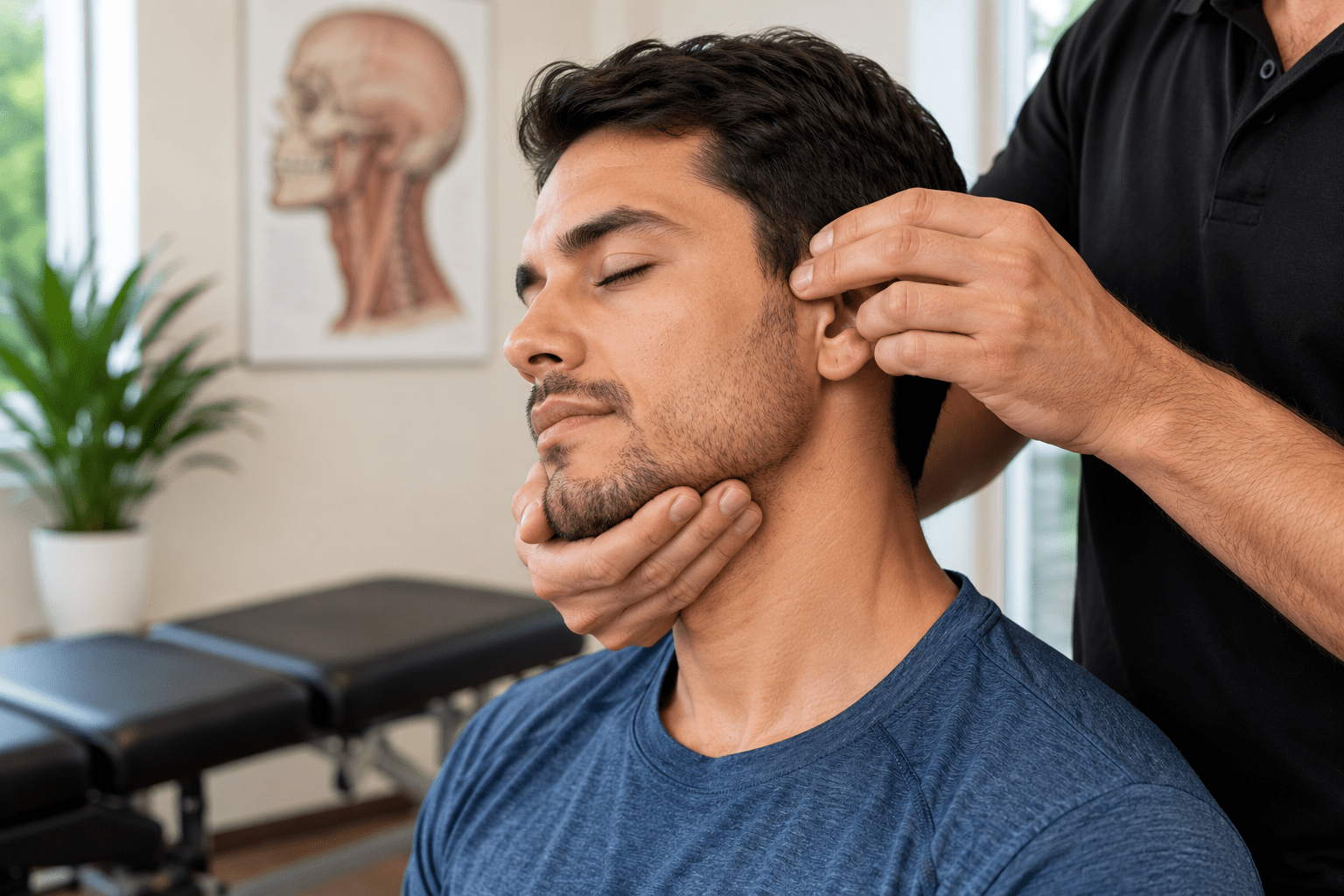
The temporomandibular joints are located just in front of each ear and act like sliding hinges that connect the lower jaw to the skull.

These joints are among the busiest in the body. Every conversation, meal, yawn, or smile requires them to work smoothly.

When the joint itself or the surrounding muscles become irritated, inflamed, or restricted, TMJ symptoms may develop.

Although many people casually refer to the condition as “TMJ,” the medical condition is technically called temporomandibular joint disorder, or TMD.

Common Symptoms of TMJ Disorders

TMJ problems can affect much more than the jaw.

Many patients experience symptoms that seem unrelated at first.

These may include:

  • Jaw pain or tenderness
  • Clicking or popping when opening the mouth
  • Difficulty chewing
  • Jaw locking
  • Facial pain
  • Headaches
  • Ear discomfort without an ear infection
  • Neck stiffness
  • Pain near the temples
  • Limited jaw movement

Some patients notice symptoms only while eating, while others experience discomfort throughout the day.

What Causes TMJ Problems?

There isn’t one single cause.

Several factors can contribute to TMJ dysfunction, sometimes occurring together.

Teeth Grinding or Clenching

Many people grind or clench their teeth while sleeping without realizing it. This places significant stress on the jaw muscles and joints.

Stress

Stress often causes unconscious jaw clenching, especially during work or while sleeping.

Poor Posture

Forward head posture from computer work or frequent phone use changes the position of the jaw and neck, increasing strain on surrounding muscles.

Injury

A fall, sports injury, or auto accident may affect the jaw joint directly or indirectly through the neck.

Arthritis

Degenerative joint changes can also contribute to TMJ symptoms.

Determining which factors are involved is an important part of developing an effective treatment plan.

Why Neck Health and TMJ Are Closely Connected

One of the biggest surprises for many patients is learning that the jaw and neck work together.

The muscles controlling jaw movement are closely connected to the muscles that stabilize the head and neck.

When the cervical spine isn’t moving properly, surrounding muscles may become overworked.

Likewise, poor posture while sitting at a computer for hours each day can increase tension throughout the jaw, shoulders, and upper back.

This is one reason chiropractic evaluations often include both the jaw and cervical spine rather than focusing on only one area.

Everyday Habits That Can Aggravate TMJ

Small daily habits often contribute more than people realize.

Examples include:

  • Chewing gum frequently
  • Biting fingernails
  • Resting your chin in your hand
  • Clenching your teeth during stressful situations
  • Sleeping face down
  • Spending long hours looking down at a phone

Reducing these habits may help decrease unnecessary stress on the jaw.

How Chiropractic Care May Help TMJ Disorders

Chiropractic care focuses on improving function throughout the musculoskeletal system.

Depending on your condition, your chiropractor may recommend:

  • Gentle chiropractic adjustments
  • Jaw mobility techniques
  • Soft tissue therapy
  • Postural correction
  • Stretching exercises
  • Home care recommendations
  • Ergonomic advice for workstations

Every treatment plan is customized based on your symptoms and examination findings.

The objective is not simply reducing pain but improving how the jaw and surrounding structures function together.

Living Comfortably in the Coachella Valley

Whether you’re enjoying lunch in Old Town La Quinta, attending community events in Indio, shopping along El Paseo in Palm Desert, or spending time with family, jaw discomfort can make simple moments frustrating.

Many patients don’t realize how often they use their jaw until pain interferes with eating, talking, or even smiling comfortably.

Seeking treatment before symptoms worsen often leads to a smoother recovery and helps prevent ongoing muscle tension.

When Should You Seek Professional Care?

Occasional jaw soreness may improve with rest.

However, it’s a good idea to schedule an evaluation if you notice:

  • Jaw pain lasting more than a few days
  • Frequent headaches accompanied by jaw discomfort
  • Clicking with pain
  • Difficulty fully opening your mouth
  • Locking of the jaw
  • Pain while chewing
  • Facial discomfort that continues returning

A comprehensive examination helps determine whether chiropractic care may be appropriate for your condition.

Supporting Your Recovery at Home

Professional treatment works best when combined with healthy daily habits.

You may also benefit from:

  • Eating softer foods during flare-ups
  • Applying moist heat when appropriate
  • Practicing good posture throughout the day
  • Managing stress levels
  • Avoiding excessive gum chewing
  • Taking regular breaks from computer work
  • Performing recommended jaw exercises consistently

Small changes often make a meaningful difference over time.

Frequently Asked Questions

Can a chiropractor help with TMJ disorders?

Many patients with TMJ disorders benefit from chiropractic care that focuses on improving joint mobility, reducing muscle tension, and addressing contributing factors such as posture and neck dysfunction.

Does TMJ always cause jaw pain?

No. Some patients primarily experience headaches, facial discomfort, ear pain, or neck stiffness without significant jaw pain.

Can stress make TMJ worse?

Yes. Stress frequently contributes to unconscious jaw clenching and muscle tension, which may aggravate TMJ symptoms.

When should I seek treatment for TMJ?

If jaw pain, clicking, locking, headaches, or difficulty chewing continue for more than a few days or interfere with daily life, it’s advisable to schedule a professional evaluation.

Find Personalized TMJ Care Close to Home

Jaw discomfort doesn’t have to become something you simply live with. Whether your symptoms developed gradually or began after an injury, identifying the underlying cause can help you find lasting relief and restore comfortable jaw function.

Rodriguez Chiropractic proudly serves patients throughout La Quinta, Indio, Palm Desert, and the greater Coachella Valley with personalized chiropractic care for TMJ disorders and related musculoskeletal conditions. If you’re looking for professional TMJ Treatment, visit the office at 78353 Highway 111, Suite 160, La Quinta, CA 92253, or call (760) 564-2338 to schedule an appointment. You can also explore the TMJ Treatment service page to learn more about available treatment options.

Stay connected with Rodriguez Chiropractic by following the practice on Facebook and YouTube for educational videos, wellness tips, and updates that support your long-term health.

Sciatica Treatment

Is It Really Sciatica? Understanding the Pain That Travels Down Your Leg

If you’ve ever felt a sharp, burning pain that starts in your lower back and shoots down your leg, you’ve probably wondered if it’s sciatica. For many people, that discomfort isn’t just an occasional nuisance. It can make walking, driving, sleeping, or even sitting through a family dinner feel like a challenge.

Sciatica isn’t actually a condition by itself. It’s a collection of symptoms caused by irritation or compression of the sciatic nerve, the largest nerve in the body. Identifying what’s putting pressure on that nerve is the key to finding lasting relief.

At Rodriguez Chiropractic in La Quinta, patients receive personalized evaluations to determine the source of sciatic pain and develop a treatment plan designed to restore movement and improve daily comfort. If you’re searching for natural Sciatica Treatment in the Coachella Valley, understanding the cause of your symptoms is the first step.

In many cases, chiropractic care helps reduce nerve irritation by improving spinal function, joint mobility, and overall movement patterns. Every case is different, which is why a thorough evaluation is so important before beginning treatment.

What Is Sciatica?

The sciatic nerve begins in the lower spine, travels through the hips and buttocks, and extends down each leg. When this nerve becomes compressed or irritated, it can produce symptoms that range from mild discomfort to intense pain.

Unlike ordinary lower back soreness, sciatica often follows a specific path along the nerve.

Common symptoms include:

  • Sharp pain running down one leg
  • Burning or tingling sensations
  • Numbness in the foot or leg
  • Weakness while walking
  • Pain that worsens after prolonged sitting
  • Difficulty standing comfortably after getting out of bed

Some people experience constant discomfort, while others notice symptoms only during certain movements.

What Causes Sciatica?

There isn’t a single cause of sciatica. Several different conditions can place pressure on the sciatic nerve.

Some of the most common include:

Herniated or Bulging Discs

A spinal disc may press against nearby nerves, producing pain that radiates into the leg.

Joint Dysfunction

Restricted movement within the spine can contribute to inflammation and nerve irritation.

Muscle Tightness

Tight muscles around the hips or lower back can sometimes place pressure on the sciatic nerve.

Degenerative Changes

Normal age-related wear may narrow the spaces where nerves exit the spine.

Pregnancy

Changes in posture and weight distribution during pregnancy may contribute to temporary sciatic symptoms.

Proper diagnosis is essential because successful treatment depends on understanding the specific cause.

Sciatica Is Often Mistaken for Other Problems

Many patients initially believe they have a pulled hamstring, hip injury, or simple muscle strain.

The difference is that sciatic pain usually follows the path of the nerve rather than remaining isolated in one muscle.

For example, you might notice pain beginning in the lower back before traveling through the buttock and into the calf or foot.

That pattern often provides valuable clues during a chiropractic evaluation.

Everyday Activities Can Make Sciatica Worse

You don’t have to lift heavy furniture to aggravate the sciatic nerve.

Many everyday habits can contribute to ongoing irritation.

These include:

  • Sitting for several hours without standing
  • Driving long distances
  • Poor posture while working
  • Sleeping in unsupported positions
  • Repetitive bending or twisting
  • Lifting objects incorrectly

Small lifestyle adjustments, combined with appropriate chiropractic care, may significantly improve recovery.

Why an Accurate Evaluation Matters

Because several conditions produce symptoms similar to sciatica, guessing rarely leads to lasting improvement.

At Rodriguez Chiropractic, the evaluation process focuses on identifying the true source of nerve irritation.

A comprehensive assessment may include:

  • Review of your health history
  • Discussion of current symptoms
  • Orthopedic testing
  • Neurological evaluation
  • Posture assessment
  • Movement analysis

Understanding how your body moves helps create a treatment plan tailored to your specific needs.

How Chiropractic Care May Help Sciatica

Many patients seek chiropractic care because they want to address the underlying cause of sciatic pain rather than simply masking symptoms.

Depending on your condition, treatment may include:

  • Chiropractic spinal adjustments
  • Joint mobilization techniques
  • Soft tissue therapy
  • Stretching recommendations
  • Strengthening exercises
  • Ergonomic guidance
  • Home care strategies

Every treatment plan is individualized based on your examination findings.

Living in the Coachella Valley With Sciatica

Life in the Coachella Valley encourages people to stay active.

Whether you’re walking through Old Town La Quinta, enjoying golf in Palm Desert, shopping along El Paseo, or attending community events in Indio, mobility plays an important role in daily life.

When sciatic pain limits those activities, many people begin avoiding movement altogether.

Unfortunately, reduced activity sometimes creates additional stiffness and muscle weakness, making recovery more difficult.

Seeking care early may help you stay engaged in the lifestyle you enjoy.

Preventing Future Sciatic Flare-Ups

Although not every case can be prevented, healthy habits often reduce the risk of recurring symptoms.

Helpful recommendations include:

  • Strengthen your core muscles.
  • Stretch regularly.
  • Avoid prolonged sitting.
  • Lift with proper body mechanics.
  • Maintain a healthy posture.
  • Stay physically active.
  • Address minor discomfort before it becomes severe.

Consistency is often more effective than occasional intense exercise.

When Should You See a Chiropractor?

It’s time to schedule an evaluation if:

  • Pain continues for more than several days.
  • Symptoms travel below the knee.
  • Sitting becomes increasingly uncomfortable.
  • Walking feels difficult.
  • Leg weakness develops.
  • Symptoms continue returning despite home care.

Early evaluation may prevent symptoms from progressing further.

Frequently Asked Questions

Can chiropractic care help sciatica?

Many patients with sciatica experience improvement through chiropractic care when nerve irritation is related to spinal or joint dysfunction. Treatment recommendations depend on the underlying cause of symptoms.

Is sciatica always caused by a herniated disc?

No. While herniated discs are one possible cause, muscle tightness, joint dysfunction, degenerative changes, and other conditions may also irritate the sciatic nerve.

Will sciatica go away on its own?

Some mild cases improve with time, but persistent or worsening symptoms should be professionally evaluated to identify the underlying cause and determine appropriate treatment.

Can exercise make sciatica worse?

Certain exercises may aggravate symptoms, while others can support recovery. An individualized evaluation helps determine which activities are appropriate for your condition.

Finding the Right Care Close to Home

Sciatic pain can affect nearly every part of your day, from getting out of bed in the morning to enjoying time with family or staying active around the Coachella Valley. The good news is that you don’t have to simply accept the discomfort as part of daily life. Understanding what’s causing your symptoms is the first step toward meaningful, long-term improvement.

Rodriguez Chiropractic proudly serves patients throughout La Quinta, Indio, Palm Desert, and surrounding communities with personalized chiropractic care focused on relieving sciatic pain and improving spinal health. If you’re looking for professional Sciatica Treatment, visit the office at 78353 Highway 111, Suite 160, La Quinta, CA 92253, or call (760) 564-2338 to schedule an appointment. You can also explore the Sciatica Treatment service page to learn more about available care options.

For ongoing wellness tips, educational videos, and practice updates, follow Rodriguez Chiropractic on Facebook and YouTube. You can also find the office easily using our Google Maps listing before your visit.

Lower back pain treatment

Lower Back Pain Isn’t Always Caused by One Bad Lift: What Your Body May Be Trying to Tell You

It’s easy to blame lower back pain on one moment. Maybe you bent over to pick up a laundry basket. Maybe you spent too many hours behind the wheel or at your desk. Sometimes there isn’t a clear explanation at all. You simply wake up one morning wondering why your back suddenly feels stiff, sore, or painful.

The truth is that lower back pain often develops gradually. Small changes in posture, movement, muscle balance, or spinal alignment can build over weeks or months before symptoms become noticeable. That’s why simply masking the discomfort rarely solves the underlying problem.

At Rodriguez Chiropractic in La Quinta, patients seeking care for lower back pain are often surprised to learn that the source of their discomfort isn’t always where they feel the pain. Chiropractic care focuses on identifying those underlying causes and helping the body move more comfortably without relying solely on medication.

Lower Back Pain Is One of the Most Common Reasons People Seek Chiropractic Care

Lower back pain affects people of nearly every age and lifestyle. Office professionals, healthcare workers, construction crews, golfers, retirees, and parents chasing young children can all experience similar symptoms for completely different reasons.

Common complaints include:

  • Persistent aching across the lower back
  • Sharp pain when standing or bending
  • Muscle tightness after sitting
  • Difficulty getting comfortable while sleeping
  • Pain that travels into the hips or legs
  • Morning stiffness that gradually improves during the day

Many people assume these symptoms are simply part of getting older. In reality, many cases respond well to conservative treatment when evaluated early.

What Actually Causes Lower Back Pain?

The lower back supports much of your body’s weight while allowing you to bend, twist, lift, and walk. Because it works constantly, many different issues can contribute to pain.

Some of the most common causes include:

Poor Posture

Hours spent looking at a computer, driving, or scrolling on a phone place continuous stress on the lumbar spine.

Repetitive Movement

Workers who frequently bend, lift, or twist may gradually overload muscles and joints.

Muscle Imbalances

Weak core muscles often force the lower back to compensate during everyday activities.

Joint Dysfunction

Small restrictions in spinal movement can create inflammation and reduced mobility.

Previous Injuries

Even injuries that occurred years ago may alter movement patterns enough to contribute to recurring discomfort.

Identifying the actual source is far more valuable than simply treating symptoms.

Why Waiting Can Make Things Worse

Many people hope lower back pain will disappear on its own.

Sometimes it does.

Unfortunately, when pain continues for weeks, your body may begin compensating in other areas. You might shift your weight while standing, change the way you walk, or avoid certain movements altogether.

Over time these compensations can create additional strain on the hips, knees, neck, and shoulders.

Seeking an evaluation sooner often helps prevent a minor issue from becoming a much larger one.

Chiropractic Care Focuses on Function, Not Just Pain

One of the biggest misconceptions about chiropractic care is that treatment only addresses pain.

Pain is actually just one piece of the picture.

During an evaluation, chiropractors assess spinal motion, joint function, posture, muscle tension, and movement patterns to better understand why symptoms developed.

Depending on your individual condition, treatment may include:

  • Chiropractic adjustments
  • Soft tissue techniques
  • Mobility recommendations
  • Stretching guidance
  • Strengthening exercises
  • Postural education
  • Lifestyle recommendations

The goal is to improve function so your body can move more naturally.

Everyday Habits That Often Contribute to Lower Back Pain

Sometimes the biggest contributors aren’t dramatic injuries.

Instead, they’re everyday routines.

Examples include:

  • Sitting for long periods without breaks
  • Carrying heavy bags on one shoulder
  • Sleeping on an unsupportive mattress
  • Lifting with poor mechanics
  • Limited physical activity
  • Standing on hard surfaces all day

Small adjustments to daily habits often complement chiropractic care and improve long-term outcomes.

Lower Back Pain Can Affect More Than Your Back

Many people underestimate how much ongoing pain affects everyday life.

Simple activities become frustrating.

Playing with grandchildren.

Walking through Old Town La Quinta.

Enjoying a round of golf.

Shopping along Highway 111.

Even sitting through dinner comfortably may become difficult.

The longer pain continues, the more it can interfere with work, hobbies, sleep, and overall quality of life.

Why Local Patients Choose Chiropractic Care

Residents throughout the Coachella Valley lead active lifestyles.

Some spend long hours working in hospitality or healthcare. Others enjoy hiking local trails, cycling, tennis, pickleball, or golf throughout the year.

These activities place different demands on the spine.

Patients from La Quinta, Indio, Palm Desert, and neighboring communities often seek chiropractic care because they want an approach that addresses the underlying cause of pain while helping them stay active.

Rodriguez Chiropractic, conveniently located at 78353 Highway 111, Suite 160, La Quinta, CA 92253, provides personalized evaluations and treatment plans tailored to each patient’s specific needs.

What to Expect During Your First Visit

Many first-time chiropractic patients aren’t sure what happens during an appointment.

A typical visit generally includes:

  • Discussion of your symptoms and medical history
  • Physical examination
  • Orthopedic and neurological testing when appropriate
  • Evaluation of posture and movement
  • Explanation of findings
  • Personalized treatment recommendations

If chiropractic care is appropriate for your condition, your doctor will explain the recommended treatment plan before beginning care.

Preventing Future Episodes of Lower Back Pain

Although not every injury can be prevented, many episodes of lower back pain can be reduced through healthy movement habits.

Helpful strategies include:

  • Maintain regular physical activity.
  • Strengthen your core muscles.
  • Stretch consistently.
  • Lift with your legs instead of your back.
  • Avoid sitting for extended periods without standing.
  • Maintain good posture while working.
  • Listen to your body’s warning signs before discomfort becomes severe.

These habits often work best when combined with professional care that addresses underlying spinal dysfunction.

Frequently Asked Questions

Can chiropractic care help chronic lower back pain?

Many patients with chronic lower back pain experience improvement after receiving a thorough evaluation and individualized chiropractic treatment. Results vary depending on the underlying cause and overall health.

Is lower back pain always caused by a slipped disc?

No. While disc injuries can cause lower back pain, many cases are related to muscles, joints, ligaments, posture, or movement dysfunction rather than a disc problem.

How many chiropractic visits will I need?

Treatment recommendations depend on your diagnosis, the severity of your condition, your health history, and your personal goals. Your chiropractor will discuss an appropriate care plan after your evaluation.

Should I continue exercising with lower back pain?

That depends on the cause of your symptoms. Some activities may be beneficial, while others could worsen the condition. A professional evaluation can help determine what is appropriate.

Find Natural Relief Close to Home

Living with lower back pain can make even the simplest daily activities feel challenging, but lasting relief often begins by understanding what’s causing the discomfort. Whether your pain developed gradually or started after an injury, seeking professional care early can help you return to the activities you enjoy with greater comfort and confidence.

Rodriguez Chiropractic proudly helps patients throughout La Quinta, Indio, Palm Desert, and the greater Coachella Valley with personalized chiropractic care for Lower Back Pain. If you’re ready to find a treatment plan tailored to your needs, visit the office at 78353 Highway 111, Suite 160, La Quinta, CA 92253, or call (760) 564-2338 to schedule an appointment. You can also learn more by visiting the Lower Back Pain service page.

Stay connected with Rodriguez Chiropractic by following the practice on Facebook and YouTube for helpful wellness tips, educational videos, and updates designed to support your journey toward better spinal health.

Musculoskeletal Conditions

Understanding Musculoskeletal Conditions: When Everyday Aches Become Something More

It’s easy to dismiss an aching shoulder, a stiff neck, or nagging lower back pain as part of getting older or simply having a busy lifestyle. Many people assume soreness will eventually disappear if they give it enough time. Sometimes it does. Other times, those aches become persistent, making simple activities like walking, lifting groceries, golfing, or even getting comfortable in bed more difficult than they should be.

Musculoskeletal conditions are among the most common reasons people seek healthcare. They affect the muscles, joints, ligaments, tendons, bones, and connective tissues that help your body move every day. Fortunately, many of these conditions respond well to conservative care focused on improving mobility, reducing pain, and restoring normal function.

For residents of La Quinta, Palm Desert, Indio, and throughout the Coachella Valley, understanding musculoskeletal conditions can help you recognize when it’s time to seek professional evaluation before minor discomfort develops into a more significant problem.

What Are Musculoskeletal Conditions?

Musculoskeletal conditions refer to injuries, disorders, or chronic problems affecting the body’s movement system.

These conditions may involve:

  • Muscles
  • Bones
  • Joints
  • Ligaments
  • Tendons
  • Cartilage
  • Connective tissue

They can develop suddenly after an injury or gradually over months or years because of repetitive stress, poor posture, arthritis, or age-related changes.

Many musculoskeletal conditions can be managed successfully with conservative treatment that focuses on improving movement, reducing pain, and restoring normal function without surgery whenever appropriate.

Common Musculoskeletal Conditions

People are often surprised by how many different conditions fall into this category.

Some of the most frequently treated include:

Lower Back Pain

Lower back pain remains one of the leading causes of missed workdays and reduced activity.

It may result from:

  • Muscle strain
  • Herniated discs
  • Degenerative changes
  • Poor posture
  • Sports injuries

Neck Pain

Long hours at computers and frequent smartphone use have contributed to increasing rates of neck discomfort.

Neck pain may also be associated with headaches, shoulder tension, or reduced range of motion.

Shoulder Injuries

The shoulder is one of the body’s most mobile joints, making it especially vulnerable to overuse injuries, tendon irritation, and instability.

Hip and Knee Pain

Walking, climbing stairs, exercising, and standing for long periods all rely on healthy hip and knee function.

When these joints become painful, daily activities quickly become more difficult.

Arthritis

Osteoarthritis gradually wears away joint cartilage over time, leading to stiffness, swelling, and discomfort.

Although arthritis cannot be reversed, many people successfully manage symptoms through conservative care and lifestyle modifications.

Why Musculoskeletal Problems Often Worsen Over Time

Pain doesn’t always remain the same.

When one joint becomes restricted or painful, the body naturally compensates.

For example:

A sore hip may change the way you walk.

An injured shoulder may alter posture.

Neck pain may contribute to headaches.

Lower back discomfort may reduce physical activity.

Over time, these compensations place additional stress on surrounding muscles and joints.

Early treatment often helps prevent these secondary problems from developing.

Everyday Activities Can Contribute

Not every musculoskeletal condition begins with a major accident.

Many develop gradually because of repeated daily movements.

Examples include:

  • Sitting at a desk for hours
  • Frequent lifting
  • Poor workstation ergonomics
  • Repetitive job tasks
  • Household chores
  • Gardening
  • Sports participation

Even sleeping positions can contribute to ongoing discomfort when repeated night after night.

How Chiropractic Care May Help

Every patient presents differently, so treatment always begins with a thorough evaluation.

Depending on the diagnosis, conservative chiropractic care may include:

Chiropractic Adjustments

Restoring healthy joint movement may improve mobility while helping reduce mechanical stress affecting muscles and surrounding tissues.

Soft Tissue Therapy

Muscles frequently become tight or inflamed in response to joint dysfunction.

Addressing soft tissue restrictions may improve flexibility and comfort.

Corrective Exercises

Targeted strengthening and mobility exercises often help stabilize affected joints while improving long-term function.

Postural Education

Small adjustments in sitting, standing, lifting, and workplace ergonomics can significantly reduce repeated stress placed on the body.

Staying Active Is Often Part of Recovery

Years ago, complete rest was commonly recommended for many musculoskeletal injuries.

Today, healthcare providers often encourage appropriate movement whenever possible.

Remaining active helps:

  • Maintain flexibility
  • Preserve muscle strength
  • Improve circulation
  • Support joint nutrition
  • Reduce stiffness

The key is performing activities that support healing without aggravating symptoms.

Preventing Future Problems

While not every injury can be avoided, several habits help protect the musculoskeletal system.

Consider:

  • Stretching regularly
  • Maintaining good posture
  • Strengthening core muscles
  • Lifting correctly
  • Taking breaks during prolonged sitting
  • Staying physically active
  • Wearing supportive footwear

These habits help reduce unnecessary stress on joints and muscles over time.

When Should You Seek Professional Evaluation?

Many people wait weeks or even months before seeking help.

Consider scheduling an evaluation if you experience:

  • Pain lasting more than several days
  • Limited range of motion
  • Recurring stiffness
  • Pain interfering with sleep
  • Difficulty performing everyday tasks
  • Symptoms following an injury
  • Progressive discomfort that continues worsening

Early evaluation often allows more conservative treatment options.

Living Comfortably Throughout the Coachella Valley

Whether you’re walking through Old Town La Quinta, playing golf in Palm Desert, hiking local desert trails, or simply enjoying everyday life throughout the Coachella Valley, healthy movement makes those experiences much more enjoyable.

Addressing musculoskeletal conditions early can help maintain your independence and allow you to continue participating in the activities you enjoy most.

Frequently Asked Questions

What are musculoskeletal conditions?

Musculoskeletal conditions affect muscles, joints, bones, tendons, ligaments, and connective tissues that allow the body to move.

Can chiropractic care help musculoskeletal pain?

Depending on the diagnosis, chiropractic care may help improve joint function, reduce pain, increase mobility, and support overall musculoskeletal health.

Are musculoskeletal conditions always caused by injuries?

No. Many develop gradually due to repetitive movements, poor posture, arthritis, aging, or overuse.

When should I seek treatment?

Persistent pain, limited movement, recurring stiffness, or symptoms following an injury should be professionally evaluated to determine the underlying cause.

Helping Patients Move Better Every Day

Rodriguez Chiropractic proudly provides conservative chiropractic care for patients experiencing musculoskeletal conditions throughout La Quinta, Palm Desert, Indio, Indian Wells, and the surrounding Coachella Valley. Conveniently located at 78353 Highway 111, Suite #160, La Quinta, CA 92253, the office is just minutes from Old Town La Quinta, making it easy for local residents to access personalized chiropractic care.

If aches, stiffness, or joint pain are affecting your daily activities, learning more about Musculoskeletal Conditions and scheduling a comprehensive evaluation can be an important first step toward improving your mobility and quality of life.

To schedule an appointment, call (760) 564-2338. You can also connect with Rodriguez Chiropractic on Facebook, watch educational videos on YouTube, or find the office on Google Maps.

Vertigo Treatment

Understanding the Causes of Dizziness and Finding Lasting Relief

Few symptoms are as unsettling as vertigo. One moment you’re walking through the grocery store or getting out of bed, and the next it feels as though the room is spinning around you. Even simple daily activities can suddenly become difficult, leaving you worried about falling or triggering another episode.

While occasional dizziness can have many causes, recurring vertigo should never be ignored. Fortunately, many people can find relief through conservative care once the underlying cause is properly identified. If you’ve been searching for Vertigo Treatment, understanding what causes these episodes is the first step toward regaining your confidence and balance.

For residents of La Quinta, Palm Desert, Indio, and throughout the Coachella Valley, chiropractic care may be part of a comprehensive, non-surgical approach to managing certain types of vertigo and balance disorders.

What Is Vertigo?

Vertigo is more than simply feeling lightheaded.

It is the sensation that you or your surroundings are moving even though everything is actually still. Many people describe it as:

  • The room spinning
  • Feeling pulled to one side
  • A sensation of floating
  • Loss of balance
  • Difficulty focusing while walking

Vertigo itself is not a disease. Instead, it is a symptom that often points to an issue involving the inner ear, nervous system, or cervical spine.

The most effective treatment for vertigo depends on identifying its underlying cause. Some cases respond well to conservative therapies, including chiropractic care, vestibular rehabilitation, and specific repositioning techniques.

Common Causes of Vertigo

Several conditions can trigger vertigo.

Benign Paroxysmal Positional Vertigo (BPPV)

One of the most common causes occurs when tiny calcium crystals inside the inner ear become displaced. Certain head movements trigger brief but intense spinning sensations.

Cervicogenic Vertigo

Neck injuries, poor posture, arthritis, or muscle tension may interfere with the body’s balance signals.

People who spend long hours working at computers or looking down at mobile devices sometimes develop neck dysfunction that contributes to dizziness.

Vestibular Disorders

Inflammation or infection affecting the inner ear may interfere with the body’s ability to maintain balance.

Head Injuries

Concussions and whiplash injuries can sometimes lead to persistent dizziness that continues long after the initial accident.

Why Neck Health Matters

Many people don’t immediately connect vertigo with neck problems.

However, the muscles, joints, and nerves in the upper cervical spine constantly communicate with the brain regarding head position and movement.

When this communication becomes disrupted due to joint restriction, muscle tension, or injury, dizziness and balance disturbances may occur.

This is one reason a comprehensive evaluation is so important before beginning treatment.

Symptoms That Often Accompany Vertigo

Vertigo rarely appears by itself.

Patients may also experience:

  • Nausea
  • Headaches
  • Neck stiffness
  • Ringing in the ears
  • Blurred vision
  • Difficulty concentrating
  • Motion sensitivity
  • Unsteadiness while walking

Because these symptoms overlap with many medical conditions, proper diagnosis is essential.

How Chiropractic Care May Help

Every patient experiences vertigo differently, which is why treatment should always be individualized.

Depending on the cause, conservative chiropractic care may include:

Gentle Cervical Adjustments

When appropriate, restoring normal joint motion in the neck may help reduce mechanical dysfunction contributing to dizziness.

Soft Tissue Therapy

Tight muscles surrounding the neck and shoulders can affect posture and movement patterns.

Reducing muscular tension often improves overall comfort.

Postural Correction

Poor posture places additional stress on the cervical spine.

Simple ergonomic improvements at home and work may reduce recurring neck strain.

Balance and Mobility Exercises

Specific exercises may improve coordination and help the body adapt more effectively during recovery.

Everyday Habits That Can Reduce Vertigo Episodes

Although treatment depends on the underlying diagnosis, many patients benefit from improving daily habits.

Helpful strategies may include:

  • Standing up slowly
  • Staying well hydrated
  • Maintaining good posture
  • Sleeping with proper neck support
  • Taking regular breaks from computer work
  • Managing stress
  • Avoiding sudden head movements when symptoms are active

These small adjustments often complement professional treatment plans.

Don’t Ignore Persistent Dizziness

Some people try to simply “live with” occasional vertigo.

Unfortunately, repeated dizziness increases the risk of falls and may gradually reduce confidence during everyday activities.

Walking through Old Town La Quinta, shopping in Palm Desert, or attending community events throughout the Coachella Valley should not feel intimidating because of ongoing balance problems.

Early evaluation helps determine whether symptoms stem from the inner ear, cervical spine, or another condition requiring medical attention.

What to Expect During an Evaluation

A comprehensive assessment often includes:

  • Review of medical history
  • Discussion of symptom patterns
  • Orthopedic examination
  • Neurological screening
  • Cervical spine evaluation
  • Balance assessment

If symptoms suggest a condition requiring additional medical evaluation, referral to the appropriate healthcare provider may also be recommended.

Supporting Long-Term Balance and Mobility

Recovery from vertigo is rarely about one single treatment.

Long-term improvement often involves:

  • Consistent follow-up care
  • Home exercises
  • Good posture
  • Healthy movement habits
  • Strengthening supporting muscles
  • Managing contributing health conditions

Many patients find that combining professional care with healthy daily habits helps reduce future episodes and improve overall quality of life.

Frequently Asked Questions

Can chiropractic care cure vertigo?

Not every type of vertigo responds to chiropractic care. However, when dizziness is related to cervical spine dysfunction or certain musculoskeletal issues, conservative chiropractic treatment may help reduce symptoms and improve function.

When should I seek medical care for vertigo?

Seek immediate medical attention if vertigo occurs with severe headache, chest pain, difficulty speaking, weakness, vision changes, or loss of consciousness.

Can neck problems cause dizziness?

Yes. Cervicogenic vertigo is associated with dysfunction involving the neck and may contribute to dizziness, imbalance, and motion sensitivity.

Is vertigo always caused by the inner ear?

No. Although many cases originate within the vestibular system, problems involving the cervical spine, nervous system, medications, or other medical conditions can also contribute.

Helping Patients Throughout the Coachella Valley Find Relief

 Rodriguez Chiropractic proudly serves patients throughout La Quinta, Palm Desert, Indio, Indian Wells, and the surrounding Coachella Valley from its office at 78353 Highway 111, Suite #160, La Quinta, CA 92253, conveniently located near Old Town La Quinta.

If persistent dizziness or balance problems are interfering with your daily life, scheduling a professional evaluation can help determine the next steps. Dr. Abel Rodriguez develops personalized treatment plans designed around each patient’s specific condition, goals, and overall health.

To learn more about Vertigo Treatment or schedule an appointment, call (760) 564-2338. You can also connect with Rodriguez Chiropractic on Facebook, explore educational videos on YouTube, or find the office location using Google Maps.

Scoliosis Treatment

When Back Curves Begin Affecting Everyday Life

A diagnosis of scoliosis can bring a wave of questions. Whether it is discovered during a school screening, identified after years of unexplained back pain, or develops later in adulthood because of age-related spinal changes, many people wonder what comes next. While every case is different, one thing remains true: taking action early can make a meaningful difference in comfort, mobility, and long-term spinal health.

For residents of La Quinta, Palm Desert, Indio, and throughout the Coachella Valley, understanding how scoliosis progresses—and knowing what conservative treatment options are available—can help prevent unnecessary discomfort and improve quality of life. Many people assume that surgery is the only solution for scoliosis, but that is not always the case. Depending on the severity and type of spinal curvature, conservative chiropractic care may play an important role in helping patients manage symptoms and maintain healthy movement.

Understanding Scoliosis Beyond a Curved Spine

Scoliosis is a condition where the spine develops an abnormal sideways curve. While a healthy spine naturally curves when viewed from the side, scoliosis creates an “S” or “C” shape when viewed from behind.

Although adolescent idiopathic scoliosis is the most recognized form, adults can also develop scoliosis due to degenerative changes in the spine. This means the condition is not limited to children or teenagers.

Common signs include:

  • Uneven shoulders
  • One hip sitting higher than the other
  • Clothing that hangs unevenly
  • Persistent back pain
  • Muscle tightness
  • Limited flexibility
  • Fatigue after standing for extended periods

Some individuals experience only mild symptoms, while others develop increasing discomfort as the spinal curve affects surrounding muscles, joints, and nerves.

Why Early Evaluation Matters

One of the biggest misconceptions about scoliosis is that pain is always the first symptom. In reality, many people have noticeable spinal curves long before discomfort develops.

Children may continue growing while the curve slowly progresses, making routine evaluations valuable during adolescence. Adults often discover scoliosis after years of gradual postural changes or chronic back pain that never fully resolves.

Early assessment allows healthcare providers to monitor progression and recommend conservative treatment options before secondary complications become more significant.

How Scoliosis Can Affect Daily Activities

Even moderate spinal curvature can influence the way the body moves.

Because the spine serves as the body’s central support structure, changes in alignment may affect:

  • Walking mechanics
  • Sitting posture
  • Athletic performance
  • Sleep quality
  • Breathing efficiency in severe cases
  • Balance and coordination

Over time, uneven stress placed on joints and muscles can contribute to chronic inflammation and muscle fatigue.

Many people living throughout the Coachella Valley spend long hours golfing, hiking local trails, cycling, gardening, or enjoying outdoor activities. Spinal imbalance may gradually reduce the ability to comfortably participate in these activities.

Conservative Chiropractic Care for Scoliosis

While chiropractic care cannot promise to permanently straighten every spinal curve, it can often help patients improve function, reduce discomfort, and support healthier spinal mechanics.

Treatment plans are always customized based on:

  • Patient age
  • Type of scoliosis
  • Degree of curvature
  • Overall health
  • Mobility limitations
  • Lifestyle demands

Conservative care may include:

Gentle Chiropractic Adjustments

Carefully applied spinal adjustments may help improve joint mobility while reducing mechanical restrictions that contribute to muscle tension.

Soft Tissue Therapy

Muscles surrounding a curved spine often become overly tight on one side and weakened on the other. Addressing these soft tissue imbalances may improve comfort and flexibility.

Corrective Exercises

Specific rehabilitation exercises are frequently recommended to strengthen spinal stabilizing muscles and improve posture.

Postural Education

Daily habits play an important role in spinal health. Learning better sitting, standing, lifting, and sleeping mechanics helps reduce unnecessary stress on the spine.

Adults with Degenerative Scoliosis

Many adults assume scoliosis only affects teenagers, but degenerative scoliosis becomes increasingly common with age.

As spinal discs gradually lose height and arthritis develops, portions of the spine may begin shifting out of alignment.

Common symptoms include:

  • Low back pain
  • Hip pain
  • Leg discomfort
  • Sciatica-like symptoms
  • Muscle spasms
  • Difficulty standing upright

Conservative chiropractic care often focuses on improving mobility, reducing muscular compensation, and helping patients remain active without relying solely on medication.

Living Well with Scoliosis

Receiving a scoliosis diagnosis does not automatically mean giving up favorite activities.

Many individuals continue enjoying:

  • Golf courses throughout La Quinta
  • Walking paths near Civic Center Campus
  • Hiking opportunities around the Santa Rosa and San Jacinto Mountains
  • Community events across Palm Desert and Indio

The key is developing a personalized management plan that supports spinal health while maintaining an active lifestyle.

Small daily improvements in posture, flexibility, strength, and movement patterns often create meaningful long-term benefits.

Supporting Long-Term Spine Health

Managing scoliosis involves more than occasional treatment visits.

Healthy daily habits include:

  • Staying physically active
  • Maintaining strong core muscles
  • Stretching consistently
  • Avoiding prolonged sitting
  • Using proper lifting mechanics
  • Maintaining a healthy weight
  • Receiving regular spinal evaluations when appropriate

These habits help reduce unnecessary stress placed on the spine and surrounding joints.

Frequently Asked Questions About Scoliosis

Can chiropractic care cure scoliosis?

Chiropractic care does not claim to cure scoliosis. Instead, treatment focuses on improving spinal function, mobility, posture, and reducing pain associated with spinal curvature.

Is scoliosis always painful?

No. Many individuals have scoliosis without experiencing significant discomfort, especially during early stages.

Can adults develop scoliosis?

Yes. Degenerative scoliosis commonly develops later in life as spinal discs and joints naturally age.

Is exercise important for scoliosis?

Yes. Appropriate strengthening and flexibility exercises often help improve posture, support spinal stability, and reduce muscular imbalance.

When should someone seek evaluation?

Anyone noticing uneven shoulders, chronic back pain, visible posture changes, or persistent spinal discomfort should consider a professional evaluation to determine the underlying cause.

Helping Patients Throughout La Quinta and the Coachella Valley

Rodriguez Chiropractic proudly serves patients throughout La Quinta, Palm Desert, Indio, Indian Wells, Bermuda Dunes, and the surrounding Coachella Valley. Conveniently located at 78353 Highway 111, Suite #160, La Quinta, CA 92253, the office is just minutes from Old Town La Quinta, making it easily accessible for local residents seeking conservative chiropractic care.

If you have been searching for Scoliosis Treatment or would like to learn more about non-surgical options for improving spinal function and managing scoliosis-related discomfort, schedule an evaluation with Dr. Abel Rodriguez. Every treatment plan is designed around each patient’s individual needs and long-term goals.

To schedule an appointment, call (760) 564-2338. You can also stay connected by visiting Rodriguez Chiropractic on Facebook, explore educational videos on YouTube, or view the clinic’s location on Google Maps.

Neck Pain Treatment

Why Neck Pain Is So Common in the Coachella Valley—and What You Can Do About It

Neck pain has quietly become one of the most common complaints among adults throughout the Coachella Valley. Whether you’re spending long hours working at a desk in Palm Desert, commuting through Indio, or simply looking down at your phone more often than you’d like to admit, the modern lifestyle places tremendous stress on the cervical spine.

For many people, neck discomfort begins as a minor annoyance. A little stiffness in the morning. A slight ache after a day at work. Over time, however, that discomfort can develop into chronic pain, headaches, reduced mobility, and even numbness or tingling that radiates into the shoulders and arms.

If you’re looking for Neck Pain Treatment in La Quinta, Palm Springs, Palm Desert and the surrounding areas, the team at Rodriguez Chiropractic in La Quinta understands how disruptive neck pain can be to your daily life. From posture-related strain and repetitive stress injuries to accident-related trauma and degenerative conditions, identifying the underlying cause of neck pain is often the key to achieving lasting relief.

Understanding what causes neck pain and knowing when to seek professional neck pain treatment can make a significant difference in your overall health, mobility, and quality of life.

Understanding the Root Causes of Neck Pain

The neck, also known as the cervical spine, supports the weight of the head while allowing an impressive range of motion. Because it is responsible for both stability and movement, it is particularly vulnerable to injury and strain.

Some of the most common causes of neck pain include:

  • Poor posture
  • Extended computer use
  • Smartphone and tablet usage
  • Auto accident injuries
  • Sports-related injuries
  • Degenerative disc conditions
  • Arthritis
  • Muscle strain
  • Stress and tension

Many residents throughout La Quinta, Palm Desert, and Indio experience what healthcare professionals often call “tech neck.” This condition develops when the head remains tilted forward for extended periods while looking at screens.

Even a slight forward tilt can dramatically increase the amount of pressure placed on the cervical spine. Over months and years, this added stress can contribute to pain, stiffness, muscle imbalances, and reduced mobility.

The Hidden Connection Between Neck Pain and Headaches

Many people are surprised to learn that chronic headaches may actually originate from problems in the neck.

When the joints, muscles, and nerves of the cervical spine become irritated, pain signals can travel upward into the head. This often results in what are known as cervicogenic headaches.

Symptoms may include:

  • Pain at the base of the skull
  • Headaches that worsen with neck movement
  • Tightness across the forehead
  • Pain behind the eyes
  • Shoulder tension

Because the source of the problem is often located in the neck rather than the head itself, addressing the underlying spinal dysfunction may provide significant relief.

Why Ignoring Neck Pain Can Lead to Bigger Problems

Many individuals delay seeking treatment because they assume neck pain will eventually resolve on its own.

While some minor strains improve with rest, persistent symptoms should not be ignored.

Untreated neck issues can potentially contribute to:

  • Chronic pain patterns
  • Reduced range of motion
  • Recurring headaches
  • Shoulder dysfunction
  • Sleep disturbances
  • Nerve irritation
  • Reduced productivity at work

The longer a mechanical issue remains unaddressed, the more the body may compensate through altered movement patterns. Over time, these compensations can create additional stress throughout the shoulders, upper back, and even the lower spine.

Local Lifestyle Factors That Contribute to Neck Pain

Living in the Coachella Valley offers countless opportunities for recreation and outdoor activities. Residents frequently enjoy golfing, tennis, hiking, cycling, and fitness training.

While these activities promote overall health, repetitive movements or improper mechanics can sometimes contribute to neck discomfort.

Many local residents also spend substantial time driving between communities such as La Quinta, Palm Desert, Indian Wells, and Indio. Extended periods behind the wheel can place significant strain on the neck and upper back, especially when posture is less than ideal.

Visitors traveling to attractions such as the Indian Wells Tennis Garden, Old Town La Quinta, and nearby golf resorts may also experience temporary neck stiffness due to long travel days and unfamiliar sleeping arrangements.

How Chiropractic Care May Help Relieve Neck Pain

When neck pain stems from joint restrictions, muscle tension, or spinal misalignment, chiropractic care may help address the underlying cause rather than simply masking symptoms.

A comprehensive evaluation can help identify factors contributing to discomfort, including:

  • Postural imbalances
  • Restricted joint movement
  • Muscle tension
  • Mobility limitations
  • Movement dysfunction

Treatment recommendations are often customized based on the individual’s condition, health history, and goals.

Depending on the findings, care may include:

  • Chiropractic adjustments
  • Soft tissue therapy
  • Mobility exercises
  • Postural education
  • Ergonomic recommendations
  • Stretching protocols

The goal is to restore proper function, improve movement, and help reduce pain naturally whenever appropriate.

Everyday Habits That Can Help Prevent Neck Pain

While professional treatment may be beneficial, daily habits also play a major role in maintaining spinal health.

Consider these practical tips:

Improve Workstation Ergonomics

Your computer monitor should be positioned at eye level. This helps reduce the tendency to lean forward and strain the neck.

Take Frequent Movement Breaks

If you work at a desk, stand up and move every 30 to 60 minutes.

Limit Prolonged Phone Use

Bring devices closer to eye level instead of constantly looking downward.

Support Proper Sleep Positioning

Use a supportive pillow that helps maintain a neutral spine position.

Strengthen Supporting Muscles

Regular exercise can help improve posture and reduce stress on the cervical spine.

Small adjustments throughout the day often have a cumulative positive effect on neck health.

Seeking Neck Pain Treatment in La Quinta

If you’re experiencing recurring stiffness, headaches, limited mobility, or ongoing discomfort, a professional evaluation may help determine the underlying cause.

Rodriguez Chiropractic serves patients throughout La Quinta and surrounding Coachella Valley communities, including Palm Desert, Indio, Indian Wells, and Rancho Mirage.

Located conveniently at 78353 Highway 111, Suite 160, La Quinta, CA 92253, the practice focuses on helping patients address musculoskeletal conditions through personalized chiropractic care.

Whether your symptoms developed gradually from poor posture or resulted from an injury, identifying the source of the problem is often the first step toward meaningful improvement.

Supporting Long-Term Spinal Health

Neck pain can affect nearly every aspect of daily life—from work productivity and sleep quality to exercise performance and overall comfort.

The encouraging news is that many common causes of neck pain respond well to conservative care and lifestyle modifications when addressed early.

By paying attention to posture, maintaining healthy movement habits, and seeking appropriate care when symptoms persist, individuals can often reduce discomfort and improve long-term spinal function.

If neck pain is interfering with your daily routine, exploring professional neck pain treatment may help you regain mobility, improve comfort, and get back to enjoying everything the Coachella Valley has to offer.

Contact Rodriguez Chiropractic

Rodriguez Chiropractic
78353 Highway 111, Suite 160
La Quinta, CA 92253
Phone: (760) 564-2338

Follow Rodriguez Chiropractic on Facebook and YouTube for educational content, wellness tips, and updates from the practice.

Sciatica Treatment

Understanding the Cause of Your Leg Pain and Finding Lasting Relief

If you’ve ever experienced a sharp, burning pain that starts in your lower back and travels down your leg, you know just how disruptive sciatica can be. Even simple activities like walking through Old Town La Quinta, shopping along Highway 111, or enjoying an afternoon at the Indian Wells Tennis Garden can suddenly become difficult.

At Rodriguez Chiropractic, patients seeking Sciatica Treatment often describe a similar experience. The pain seems to come out of nowhere, gradually worsens, and eventually begins affecting work, sleep, exercise, and daily routines.

For many residents throughout the Coachella Valley, including La Quinta, Indio, and Palm Desert, sciatica is one of the most common causes of chronic lower back and leg discomfort. Understanding what causes it and what treatment options are available can be the first step toward meaningful relief.

What Is Sciatica?

Sciatica is not actually a condition itself. It is a symptom caused by irritation or compression of the sciatic nerve.

The sciatic nerve is the largest nerve in the body. It begins in the lower spine and travels through the hips, buttocks, and down each leg.

When pressure is placed on this nerve, symptoms may include:

  • Sharp pain in the lower back
  • Pain radiating down one leg
  • Tingling sensations
  • Numbness
  • Muscle weakness
  • Burning or electric shock-like discomfort
  • Difficulty sitting for extended periods

Direct Answer: Sciatica occurs when the sciatic nerve becomes compressed or irritated, causing pain, numbness, tingling, or weakness that often travels from the lower back into the leg.

Why Is Sciatica So Common in the Coachella Valley?

Living in the Coachella Valley comes with many benefits, but certain lifestyle factors can contribute to spinal issues.

Many local residents spend hours commuting between communities such as La Quinta, Indio, Palm Desert, and Rancho Mirage. Long periods of sitting place significant pressure on the lower back and spinal discs.

Others work in physically demanding industries including:

  • Construction
  • Hospitality
  • Healthcare
  • Retail
  • Landscaping
  • Golf course maintenance

These occupations often involve repetitive lifting, bending, twisting, or prolonged standing, all of which can contribute to spinal stress.

Even recreational activities popular throughout the desert region, such as hiking local trails or playing golf, can aggravate underlying spinal conditions if proper body mechanics are not maintained.

What Causes Sciatica?

Several underlying conditions can lead to sciatic nerve irritation.

Herniated Discs

One of the most common causes of sciatica is a herniated lumbar disc.

When a spinal disc bulges or ruptures, it may place pressure directly on nearby nerve roots.

Spinal Misalignments

Improper spinal movement and joint dysfunction can contribute to inflammation and nerve irritation.

Degenerative Disc Disease

Natural age-related changes in the spine can reduce disc height and increase pressure on nerve structures.

Spinal Stenosis

This condition involves narrowing of the spinal canal, which may compress nerve roots.

Muscle Tension

Tight muscles, particularly the piriformis muscle located deep within the buttock, can sometimes irritate the sciatic nerve.

Common Signs That Should Not Be Ignored

While occasional back discomfort may resolve on its own, certain symptoms deserve professional evaluation.

These include:

  • Pain that travels below the knee
  • Persistent numbness
  • Leg weakness
  • Difficulty standing or walking
  • Symptoms lasting several weeks
  • Increasing pain despite rest

Early intervention often helps prevent more severe complications and chronic pain patterns from developing.

Why Accurate Diagnosis Matters

Many people assume all lower back pain is the same.

In reality, treatment success depends heavily on identifying the actual source of the problem.

A patient experiencing sciatica caused by a disc injury may require a very different treatment approach than someone whose symptoms stem from muscular tension or joint dysfunction.

At Rodriguez Chiropractic, careful evaluation helps determine the underlying cause rather than simply focusing on symptom management.

This patient-centered approach allows treatment recommendations to be tailored to individual needs and goals.

Chiropractic Care and Sciatica Treatment

One of the primary goals of chiropractic care is restoring proper spinal function while reducing pressure on irritated nerves.

Depending on the patient’s condition, treatment may include:

Chiropractic Adjustments

Adjustments help improve spinal alignment and joint mobility, potentially reducing stress on affected nerves.

Soft Tissue Therapy

Targeted muscle work can help decrease tension and improve mobility.

Corrective Exercises

Specific exercises may strengthen supporting muscles and improve spinal stability.

Postural Education

Poor posture frequently contributes to recurring symptoms. Learning healthier movement patterns can support long-term recovery.

Lifestyle Recommendations

Simple changes involving workstation setup, sleeping positions, and daily activities often make a significant difference.

Everyday Habits That May Help Reduce Sciatica Symptoms

Patients are often surprised by how much small habits can influence spinal health.

Some practical recommendations include:

  • Avoid prolonged sitting
  • Maintain regular movement throughout the day
  • Practice proper lifting techniques
  • Support good posture
  • Stretch consistently
  • Stay physically active within comfort limits

These strategies work best when combined with professional evaluation and treatment.

A Realistic Approach to Recovery

One of the most important things patients should understand is that recovery looks different for everyone.

Factors influencing recovery may include:

  • Duration of symptoms
  • Severity of nerve compression
  • Physical activity level
  • Overall health
  • Consistency with treatment recommendations

Many patients notice improvements gradually as spinal function improves and nerve irritation decreases.

The goal is not simply temporary symptom relief but improved mobility, function, and quality of life.

Serving Patients Throughout the Coachella Valley

Rodriguez Chiropractic proudly serves patients from throughout La Quinta, Indio, Palm Desert, and surrounding Coachella Valley communities.

Conveniently located at:

Rodriguez Chiropractic
78353 Highway 111, #160
La Quinta, CA 92253
(760) 564-2338

Patients visiting the area often recognize nearby landmarks such as Old Town La Quinta, the Indian Wells Tennis Garden, and the scenic Santa Rosa Mountains that define the beauty of this region.

For individuals searching for professional Sciatica Treatment, obtaining an accurate diagnosis and personalized care plan can be an important step toward lasting relief.

You can also learn more about Rodriguez Chiropractic through their Facebook page and educational YouTube channel, where helpful information about spinal health and chiropractic care is regularly shared.

Frequently Asked Questions About Sciatica Treatment

Can sciatica go away on its own?

Some mild cases may improve with time, but persistent or worsening symptoms should be professionally evaluated.

Is walking good for sciatica?

In many cases, gentle walking helps maintain mobility and circulation. However, activity recommendations should be based on individual conditions.

What is the most common cause of sciatica?

Herniated discs are among the most common causes, though spinal stenosis, joint dysfunction, and muscle-related issues may also contribute.

Can chiropractic care help sciatica?

Many patients seek chiropractic care to address spinal dysfunction, improve mobility, and reduce pressure affecting the sciatic nerve.

When should I seek treatment?

If pain radiates down the leg, causes numbness or weakness, or interferes with daily activities, professional evaluation is recommended.

Lower Back Pain

Understanding Lower Back Pain and How Chiropractic Care Can Help

Lower back pain has a way of creeping into everyday life until simple things—getting out of bed, driving through the Coachella Valley heat, or standing in line at the grocery store—start to feel like challenges. For many residents across La Quinta, Indio, and Palm Desert, this kind of discomfort is not just occasional; it becomes a recurring issue tied to work, lifestyle, posture, or past injury.

At Rodriguez Chiropractic, located at 78353 Highway 111, #160 La Quinta, CA 92253, the focus is on helping patients address lower back pain in a way that is practical, local, and centered on restoring day-to-day function rather than just temporarily masking symptoms. You can reach the clinic at (760) 564-2338.

Understanding Lower Back Pain in the Coachella Valley Lifestyle

Living in the Coachella Valley comes with a unique mix of benefits and physical demands. Long commutes between cities like Indio and Palm Desert, physically active jobs, golf, tennis, and seasonal yard work all place strain on the lower back over time. Even extended sitting in air-conditioned environments can contribute to stiffness and discomfort.

Lower back pain can stem from a wide range of causes, including:

  • Muscle strain from lifting or repetitive movement
  • Poor posture during long sitting hours
  • Spinal misalignment or joint restriction
  • Sports-related stress injuries
  • Age-related wear and tear

Rather than treating all back pain the same way, chiropractic care focuses on identifying what may be contributing to the issue in each individual case.

A Chiropractic Approach Focused on Function and Movement

At Rodriguez Chiropractic, care for lower back pain typically begins with a detailed evaluation of movement, posture, and spinal alignment. The goal is not only to understand where pain is occurring, but also why it is happening in the first place.

Chiropractic adjustments are commonly used to help improve mobility in the spine and reduce tension in surrounding muscles. When joints in the lower back are restricted, surrounding muscles often compensate, which can lead to stiffness or recurring discomfort. Restoring movement in those areas may help reduce strain and support more balanced function.

Patients from nearby areas such as Palm Desert and Indio often seek care when back pain begins interfering with work, sleep, or daily routines. The emphasis is typically on conservative, non-invasive care designed to help the body function more efficiently.

Why Local Care Matters in La Quinta and Surrounding Cities

One of the advantages of seeking care at a local clinic like Rodriguez Chiropractic is consistency. Lower back pain rarely improves from a single visit alone; it often requires ongoing assessment and gradual improvement over time.

Being located directly in La Quinta makes it easier for patients from across the Coachella Valley to maintain regular visits without long travel times. Whether someone is coming from a job in Indio or a residential neighborhood in Palm Desert, accessibility plays a major role in staying consistent with care.

The clinic’s location near Highway 111 also places it within a well-traveled corridor, close to local shops, restaurants, and community areas that patients already visit regularly. This makes integrating chiropractic care into weekly routines more manageable.

Patient-Focused Care Without Overstatement

Every patient’s experience with lower back pain is different. Some deal with sudden discomfort after lifting something incorrectly, while others experience slow-developing stiffness over months or years.

Rather than relying on exaggerated claims or one-size-fits-all solutions, chiropractic care at Rodriguez Chiropractic emphasizes careful evaluation and individualized recommendations. Many patients report improvements in mobility, posture awareness, and daily comfort over time as their care progresses, especially when combined with at-home stretching or lifestyle adjustments recommended during visits.

Supporting Long-Term Spinal Health

Lower back pain management is not only about addressing current discomfort—it also involves reducing the likelihood of recurring issues. Depending on the patient’s condition, chiropractic care may be paired with recommendations such as:

  • Simple stretching routines for the lower back and hips
  • Ergonomic adjustments for workstations
  • Postural awareness during daily movement
  • Activity modifications during flare-ups
  • Hydration and recovery support after physical strain

These types of adjustments can be especially relevant in an active region like the Coachella Valley, where outdoor activity and heat can influence muscle tension and fatigue.

Rodriguez Chiropractic in the Local Community

Rodriguez Chiropractic is part of the broader La Quinta community, serving patients across nearby cities including Palm Desert and Indio. The clinic’s presence in the area allows for a consistent point of care for individuals managing ongoing lower back issues or recovering from recent strain.

Patients can also connect with the clinic through social platforms for updates and educational content:

For directions and local navigation, the clinic can be found here:

Nearby Landmarks and Local Context

For patients unfamiliar with the area, the clinic is situated along Highway 111, one of the main routes connecting La Quinta to surrounding cities. Nearby attractions include local golf courses, shopping centers, and residential neighborhoods that make the clinic easy to access before or after daily errands.

This convenience matters, especially for patients managing lower back pain, where prolonged driving or unnecessary travel can sometimes worsen discomfort.

A Healthier Path Forward for Your Lower Back

Lower back pain can affect nearly every part of daily life, but it does not have to become a permanent limitation. For residents of La Quinta, Indio, Palm Desert, and the wider Coachella Valley, local chiropractic care offers a practical path toward improved mobility and comfort.

Rodriguez Chiropractic continues to serve as a nearby resource for individuals seeking a hands-on, movement-focused approach to spinal health—rooted in consistency, evaluation, and long-term wellness rather than quick fixes.

Expires Soon!

$89

$89 New Patient Special

$89 First Visit

(Regularly $180)