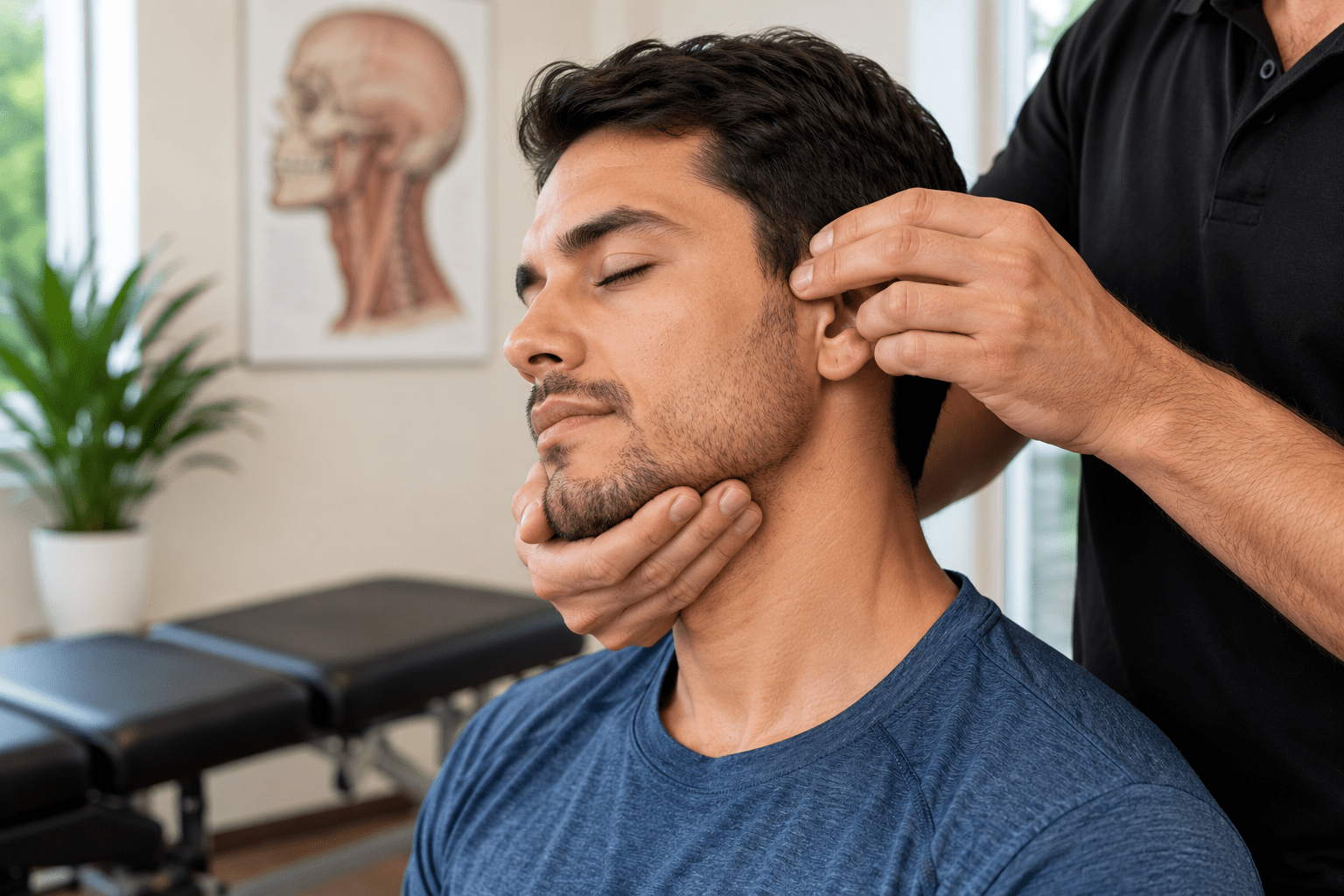
Jaw Pain Isn’t Something You Should Ignore: Understanding TMJ Disorders and Your Treatment Options
A sore jaw after chewing a tough meal might not seem like a big deal. But if your jaw clicks every time you open your mouth, headaches have become more frequent, or chewing has become uncomfortable, it may be more than an occasional annoyance. These symptoms could point to a temporomandibular joint disorder, commonly known as TMJ or TMD.
The temporomandibular joints connect your jaw to your skull and allow you to speak, chew, yawn, and perform hundreds of small movements every day. When these joints or the surrounding muscles are not functioning properly, even simple daily activities can become painful.
At Rodriguez Chiropractic in La Quinta, patients seeking TMJ Treatment often discover that jaw pain is connected to more than just the jaw itself. Neck posture, muscle tension, spinal alignment, and everyday habits can all contribute to TMJ dysfunction. Identifying the underlying cause is often the key to lasting relief.
Chiropractic care offers a conservative, non-invasive approach that focuses on improving joint function, reducing muscle tension, and helping patients return to comfortable movement without immediately turning to more invasive treatment options.
What Is TMJ?
The temporomandibular joints are located just in front of each ear and act like sliding hinges that connect the lower jaw to the skull.
These joints are among the busiest in the body. Every conversation, meal, yawn, or smile requires them to work smoothly.
When the joint itself or the surrounding muscles become irritated, inflamed, or restricted, TMJ symptoms may develop.
Although many people casually refer to the condition as “TMJ,” the medical condition is technically called temporomandibular joint disorder, or TMD.
Common Symptoms of TMJ Disorders
TMJ problems can affect much more than the jaw.
Many patients experience symptoms that seem unrelated at first.
These may include:
- Jaw pain or tenderness
- Clicking or popping when opening the mouth
- Difficulty chewing
- Jaw locking
- Facial pain
- Headaches
- Ear discomfort without an ear infection
- Neck stiffness
- Pain near the temples
- Limited jaw movement
Some patients notice symptoms only while eating, while others experience discomfort throughout the day.
What Causes TMJ Problems?
There isn’t one single cause.
Several factors can contribute to TMJ dysfunction, sometimes occurring together.
Teeth Grinding or Clenching
Many people grind or clench their teeth while sleeping without realizing it. This places significant stress on the jaw muscles and joints.
Stress
Stress often causes unconscious jaw clenching, especially during work or while sleeping.
Poor Posture
Forward head posture from computer work or frequent phone use changes the position of the jaw and neck, increasing strain on surrounding muscles.
Injury
A fall, sports injury, or auto accident may affect the jaw joint directly or indirectly through the neck.
Arthritis
Degenerative joint changes can also contribute to TMJ symptoms.
Determining which factors are involved is an important part of developing an effective treatment plan.
Why Neck Health and TMJ Are Closely Connected
One of the biggest surprises for many patients is learning that the jaw and neck work together.
The muscles controlling jaw movement are closely connected to the muscles that stabilize the head and neck.
When the cervical spine isn’t moving properly, surrounding muscles may become overworked.
Likewise, poor posture while sitting at a computer for hours each day can increase tension throughout the jaw, shoulders, and upper back.
This is one reason chiropractic evaluations often include both the jaw and cervical spine rather than focusing on only one area.
Everyday Habits That Can Aggravate TMJ
Small daily habits often contribute more than people realize.
Examples include:
- Chewing gum frequently
- Biting fingernails
- Resting your chin in your hand
- Clenching your teeth during stressful situations
- Sleeping face down
- Spending long hours looking down at a phone
Reducing these habits may help decrease unnecessary stress on the jaw.
How Chiropractic Care May Help TMJ Disorders
Chiropractic care focuses on improving function throughout the musculoskeletal system.
Depending on your condition, your chiropractor may recommend:
- Gentle chiropractic adjustments
- Jaw mobility techniques
- Soft tissue therapy
- Postural correction
- Stretching exercises
- Home care recommendations
- Ergonomic advice for workstations
Every treatment plan is customized based on your symptoms and examination findings.
The objective is not simply reducing pain but improving how the jaw and surrounding structures function together.
Living Comfortably in the Coachella Valley
Whether you’re enjoying lunch in Old Town La Quinta, attending community events in Indio, shopping along El Paseo in Palm Desert, or spending time with family, jaw discomfort can make simple moments frustrating.
Many patients don’t realize how often they use their jaw until pain interferes with eating, talking, or even smiling comfortably.
Seeking treatment before symptoms worsen often leads to a smoother recovery and helps prevent ongoing muscle tension.
When Should You Seek Professional Care?
Occasional jaw soreness may improve with rest.
However, it’s a good idea to schedule an evaluation if you notice:
- Jaw pain lasting more than a few days
- Frequent headaches accompanied by jaw discomfort
- Clicking with pain
- Difficulty fully opening your mouth
- Locking of the jaw
- Pain while chewing
- Facial discomfort that continues returning
A comprehensive examination helps determine whether chiropractic care may be appropriate for your condition.
Supporting Your Recovery at Home
Professional treatment works best when combined with healthy daily habits.
You may also benefit from:
- Eating softer foods during flare-ups
- Applying moist heat when appropriate
- Practicing good posture throughout the day
- Managing stress levels
- Avoiding excessive gum chewing
- Taking regular breaks from computer work
- Performing recommended jaw exercises consistently
Small changes often make a meaningful difference over time.
Frequently Asked Questions
Can a chiropractor help with TMJ disorders?
Many patients with TMJ disorders benefit from chiropractic care that focuses on improving joint mobility, reducing muscle tension, and addressing contributing factors such as posture and neck dysfunction.
Does TMJ always cause jaw pain?
No. Some patients primarily experience headaches, facial discomfort, ear pain, or neck stiffness without significant jaw pain.
Can stress make TMJ worse?
Yes. Stress frequently contributes to unconscious jaw clenching and muscle tension, which may aggravate TMJ symptoms.
When should I seek treatment for TMJ?
If jaw pain, clicking, locking, headaches, or difficulty chewing continue for more than a few days or interfere with daily life, it’s advisable to schedule a professional evaluation.
Find Personalized TMJ Care Close to Home
Jaw discomfort doesn’t have to become something you simply live with. Whether your symptoms developed gradually or began after an injury, identifying the underlying cause can help you find lasting relief and restore comfortable jaw function.
Rodriguez Chiropractic proudly serves patients throughout La Quinta, Indio, Palm Desert, and the greater Coachella Valley with personalized chiropractic care for TMJ disorders and related musculoskeletal conditions. If you’re looking for professional TMJ Treatment, visit the office at 78353 Highway 111, Suite 160, La Quinta, CA 92253, or call (760) 564-2338 to schedule an appointment. You can also explore the TMJ Treatment service page to learn more about available treatment options.
Stay connected with Rodriguez Chiropractic by following the practice on Facebook and YouTube for educational videos, wellness tips, and updates that support your long-term health.