
The #1 Chiropractor In La Quinta & Coachella Valley
Visit Us
78353 Highway 111 La Quinta, CA
Schedule Now
(760) 564-2338
Questions?
[email protected]
Hours
Mon - Friday: 9AM - 6PM
Chiropractic Care Treats Neck Pain from Car Accidents

Neck Pain Treatment in La Quinta: Understanding the Causes and Finding Relief

Neck pain can start with something as simple as sleeping in an awkward position, spending too long at a computer, or looking down at a phone. Then one morning, turning your head becomes uncomfortable, your shoulders feel tight, and even driving across town seems more difficult. For some people, the discomfort disappears quickly. For others, it keeps coming back.

If you’re dealing with recurring neck pain, understanding why it is happening can be the first step toward finding appropriate relief. At Rodriguez Chiropractic in La Quinta, Neck Pain Treatment focuses on identifying factors that may be contributing to discomfort and developing a personalized approach based on each patient’s needs.

Residents throughout the Coachella Valley, including those in Indio and Palm Desert, lead active lifestyles that can place different demands on the neck and upper back. Whether you’re working at a desk, driving for long periods, exercising, or enjoying outdoor activities, persistent neck discomfort can interfere with the things you want to do.

What Causes Neck Pain?

Neck pain has many possible causes, and sometimes several factors contribute at the same time.

Common causes include:

  • Poor posture
  • Muscle tension
  • Long periods of computer or phone use
  • Sleeping in an awkward position
  • Repetitive movements
  • Sports injuries
  • Auto accidents
  • Work-related strain
  • Spinal or joint dysfunction
  • Age-related changes

A sore neck after an unusually demanding day may be temporary. However, pain that continues, returns frequently, or limits your movement deserves closer attention.

Why Your Daily Routine May Be Affecting Your Neck

Think about how much time you spend with your head in one position.

You may sit at a computer for several hours, look down at a phone during breaks, drive to work, and then relax in the evening while watching television.

None of these activities necessarily causes an injury by itself. The problem can come from repeating the same posture for hours every day.

Forward-head posture, for example, can place additional stress on the muscles and joints supporting the neck. Over time, that strain may contribute to stiffness, headaches, and discomfort across the shoulders and upper back.

Small changes in your workstation, phone habits, and movement throughout the day can sometimes make a meaningful difference.

Neck Pain Can Show Up in Unexpected Ways

Not every person with a neck problem describes their symptoms as “neck pain.”

Some people notice:

  • Shoulder tightness
  • Upper back discomfort
  • Headaches
  • Reduced range of motion
  • Muscle spasms
  • Pain when turning the head
  • Tingling or numbness in an arm
  • Difficulty finding a comfortable sleeping position

This is one reason a proper evaluation matters. Symptoms can provide clues about how different parts of the musculoskeletal system are functioning together.

When Should You Consider Neck Pain Treatment?

A minor stiff neck may improve with rest and gentle movement. But professional evaluation becomes especially important when symptoms persist or interfere with normal activities.

Consider seeking care if your neck pain:

  • Continues for several days or keeps returning
  • Makes it difficult to turn your head
  • Interferes with work or exercise
  • Causes recurring headaches
  • Developed after an accident or injury
  • Is accompanied by arm symptoms

Severe symptoms, significant weakness, loss of coordination, or other concerning neurological changes require prompt medical evaluation.

How Chiropractic Care May Help

Chiropractic care takes a musculoskeletal approach to neck discomfort. Rather than treating every patient the same way, a chiropractor evaluates movement, joint function, posture, muscle tension, and other factors that may be contributing to symptoms.

Depending on the individual, care may include:

  • Chiropractic adjustments
  • Joint mobility techniques
  • Soft tissue treatment
  • Postural guidance
  • Stretching recommendations
  • Strengthening exercises
  • Ergonomic advice
  • At-home care strategies

The goal is to improve function and movement while addressing factors that may be contributing to recurring discomfort.

Rodriguez Chiropractic can also evaluate related conditions when appropriate, including [Lower Back Pain] and other musculoskeletal concerns that may affect posture and overall movement.

Why Posture Matters More Than Most People Realize

Your head weighs several pounds, and your neck constantly works to keep it balanced over your shoulders.

When your head moves forward for extended periods, the muscles supporting your neck may have to work harder.

This can become particularly relevant for people who work from home, use multiple computer monitors, or spend significant amounts of time on mobile devices.

Try this simple check: Sit normally and notice where your head sits relative to your shoulders. Then gently bring your head back so your ears are more directly over your shoulders. You may immediately notice a change in muscle tension.

The point isn’t to hold one rigid posture all day. Healthy posture is about changing positions regularly and allowing your body to move.

Neck Pain and an Active Coachella Valley Lifestyle

Living in La Quinta offers plenty of opportunities to stay active. Residents may spend weekends golfing, hiking, cycling, playing pickleball, or exploring the area around Old Town La Quinta.

Palm Desert’s shopping and dining destinations and Indio’s community events also encourage people to stay on the go.

When neck pain limits these activities, it can be frustrating.

The goal of appropriate care isn’t simply to make the neck feel better for an hour. It is to help patients understand the factors affecting their movement so they can make informed decisions about their health.

What Happens During a Chiropractic Evaluation?

If you’ve never visited a chiropractor for neck pain, you may wonder what to expect.

An initial visit typically begins with a discussion of your symptoms, health history, previous injuries, and daily activities. The chiropractor may then assess your posture, range of motion, muscle function, and other relevant areas.

Based on those findings, the doctor can explain what may be contributing to your symptoms and whether chiropractic care is appropriate.

Having that information can be reassuring because you’re no longer guessing about why your neck keeps hurting.

Simple Habits That May Support a Healthier Neck

Professional care is only part of the picture. Your daily habits matter, too.

Consider these practical steps:

Take Movement Breaks

If you work at a desk, stand up and move around periodically instead of remaining in one position for hours.

Adjust Your Workspace

Your monitor should be positioned so you don’t have to constantly look downward. Your chair and keyboard setup should also allow you to work comfortably.

Pay Attention to Phone Position

Holding your phone at eye level more often can reduce the amount of time you spend looking sharply downward.

Stay Active

Regular movement helps maintain strength and mobility. If a particular exercise aggravates your symptoms, however, modify the activity and seek professional guidance when needed.

Don’t Ignore Recurring Symptoms

If the same pain keeps returning, simply waiting for it to disappear each time may not address the underlying issue.

Frequently Asked Questions

Can a chiropractor help with neck pain?

Chiropractic care may help certain types of neck pain associated with joint dysfunction, muscle tension, posture, and other musculoskeletal factors. An evaluation helps determine whether chiropractic treatment is appropriate.

How long does neck pain treatment take?

Treatment duration varies. It depends on the cause of the pain, how long symptoms have been present, your overall health, and how your body responds to care.

Can poor posture cause neck pain?

Poor posture can contribute to increased stress on the neck and surrounding muscles, particularly when the same position is maintained for long periods.

Should I see a chiropractor after an auto accident?

Neck pain following an auto accident should be evaluated, particularly if symptoms persist or worsen. A healthcare professional can determine the appropriate course of care based on the nature of the injury.

Take the Next Step Toward Better Neck Health

You don’t have to accept recurring neck discomfort as an unavoidable part of work, aging, or an active lifestyle. Understanding what’s contributing to your symptoms can help you make better decisions about your care and daily habits.

Rodriguez Chiropractic provides personalized Neck Pain Treatment for patients in La Quinta and throughout the Coachella Valley, including surrounding communities such as Indio and Palm Desert. The office is located at 78353 Highway 111, Suite 160, La Quinta, CA 92253. To discuss your symptoms and determine whether chiropractic care may be appropriate, call (760) 564-2338 to schedule an appointment.

You can also follow Rodriguez Chiropractic on Facebook and YouTube for educational information, wellness tips, and updates from the practice.
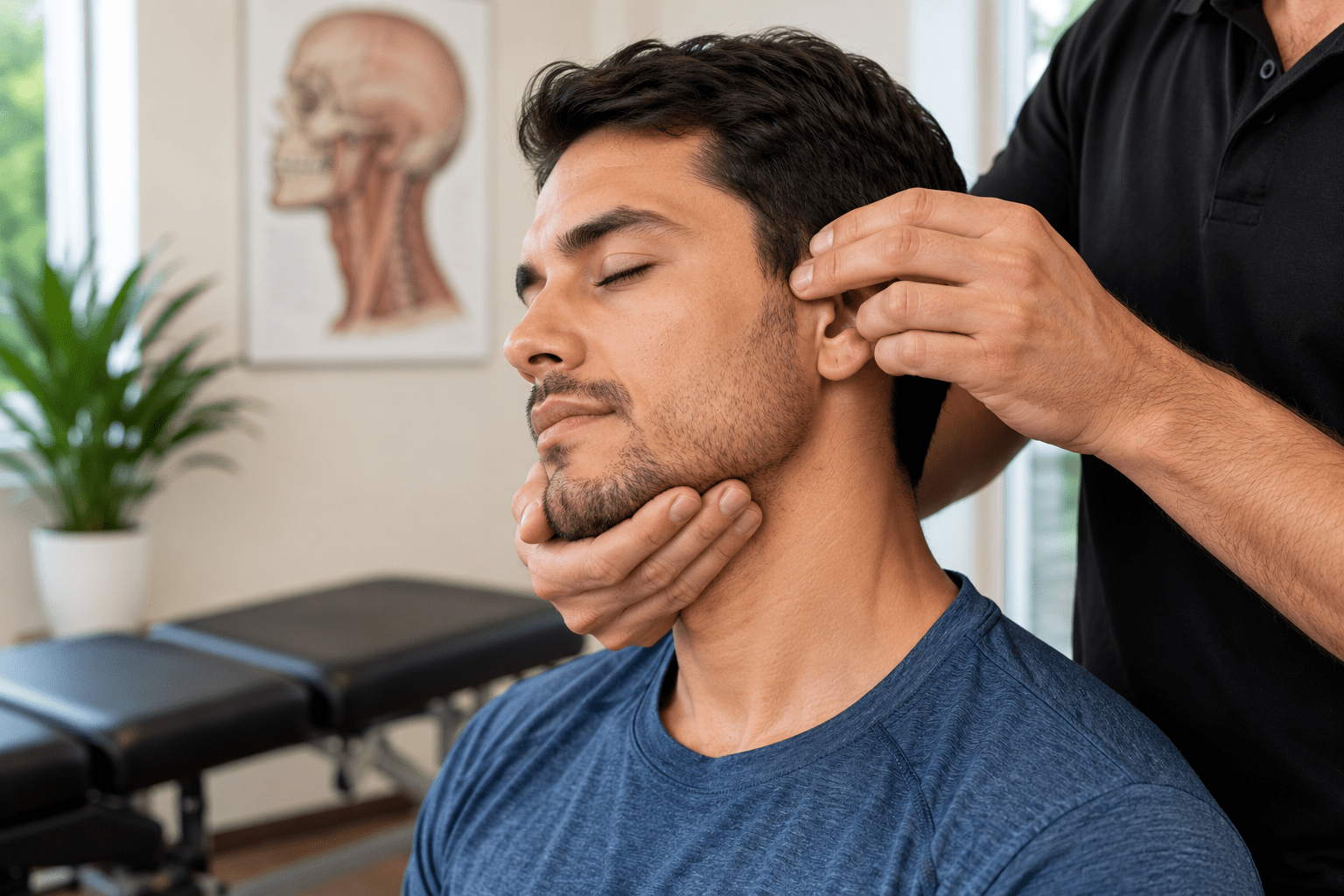

Jaw Pain Isn’t Something You Should Ignore: Understanding TMJ Disorders and Your Treatment Options

A sore jaw after chewing a tough meal might not seem like a big deal. But if your jaw clicks every time you open your mouth, headaches have become more frequent, or chewing has become uncomfortable, it may be more than an occasional annoyance. These symptoms could point to a temporomandibular joint disorder, commonly known as TMJ or TMD.

The temporomandibular joints connect your jaw to your skull and allow you to speak, chew, yawn, and perform hundreds of small movements every day. When these joints or the surrounding muscles are not functioning properly, even simple daily activities can become painful.

At Rodriguez Chiropractic in La Quinta, patients seeking TMJ Treatment often discover that jaw pain is connected to more than just the jaw itself. Neck posture, muscle tension, spinal alignment, and everyday habits can all contribute to TMJ dysfunction. Identifying the underlying cause is often the key to lasting relief.

Chiropractic care offers a conservative, non-invasive approach that focuses on improving joint function, reducing muscle tension, and helping patients return to comfortable movement without immediately turning to more invasive treatment options.

What Is TMJ?

The temporomandibular joints are located just in front of each ear and act like sliding hinges that connect the lower jaw to the skull.

These joints are among the busiest in the body. Every conversation, meal, yawn, or smile requires them to work smoothly.

When the joint itself or the surrounding muscles become irritated, inflamed, or restricted, TMJ symptoms may develop.

Although many people casually refer to the condition as “TMJ,” the medical condition is technically called temporomandibular joint disorder, or TMD.

Common Symptoms of TMJ Disorders

TMJ problems can affect much more than the jaw.

Many patients experience symptoms that seem unrelated at first.

These may include:

  • Jaw pain or tenderness
  • Clicking or popping when opening the mouth
  • Difficulty chewing
  • Jaw locking
  • Facial pain
  • Headaches
  • Ear discomfort without an ear infection
  • Neck stiffness
  • Pain near the temples
  • Limited jaw movement

Some patients notice symptoms only while eating, while others experience discomfort throughout the day.

What Causes TMJ Problems?

There isn’t one single cause.

Several factors can contribute to TMJ dysfunction, sometimes occurring together.

Teeth Grinding or Clenching

Many people grind or clench their teeth while sleeping without realizing it. This places significant stress on the jaw muscles and joints.

Stress

Stress often causes unconscious jaw clenching, especially during work or while sleeping.

Poor Posture

Forward head posture from computer work or frequent phone use changes the position of the jaw and neck, increasing strain on surrounding muscles.

Injury

A fall, sports injury, or auto accident may affect the jaw joint directly or indirectly through the neck.

Arthritis

Degenerative joint changes can also contribute to TMJ symptoms.

Determining which factors are involved is an important part of developing an effective treatment plan.

Why Neck Health and TMJ Are Closely Connected

One of the biggest surprises for many patients is learning that the jaw and neck work together.

The muscles controlling jaw movement are closely connected to the muscles that stabilize the head and neck.

When the cervical spine isn’t moving properly, surrounding muscles may become overworked.

Likewise, poor posture while sitting at a computer for hours each day can increase tension throughout the jaw, shoulders, and upper back.

This is one reason chiropractic evaluations often include both the jaw and cervical spine rather than focusing on only one area.

Everyday Habits That Can Aggravate TMJ

Small daily habits often contribute more than people realize.

Examples include:

  • Chewing gum frequently
  • Biting fingernails
  • Resting your chin in your hand
  • Clenching your teeth during stressful situations
  • Sleeping face down
  • Spending long hours looking down at a phone

Reducing these habits may help decrease unnecessary stress on the jaw.

How Chiropractic Care May Help TMJ Disorders

Chiropractic care focuses on improving function throughout the musculoskeletal system.

Depending on your condition, your chiropractor may recommend:

  • Gentle chiropractic adjustments
  • Jaw mobility techniques
  • Soft tissue therapy
  • Postural correction
  • Stretching exercises
  • Home care recommendations
  • Ergonomic advice for workstations

Every treatment plan is customized based on your symptoms and examination findings.

The objective is not simply reducing pain but improving how the jaw and surrounding structures function together.

Living Comfortably in the Coachella Valley

Whether you’re enjoying lunch in Old Town La Quinta, attending community events in Indio, shopping along El Paseo in Palm Desert, or spending time with family, jaw discomfort can make simple moments frustrating.

Many patients don’t realize how often they use their jaw until pain interferes with eating, talking, or even smiling comfortably.

Seeking treatment before symptoms worsen often leads to a smoother recovery and helps prevent ongoing muscle tension.

When Should You Seek Professional Care?

Occasional jaw soreness may improve with rest.

However, it’s a good idea to schedule an evaluation if you notice:

  • Jaw pain lasting more than a few days
  • Frequent headaches accompanied by jaw discomfort
  • Clicking with pain
  • Difficulty fully opening your mouth
  • Locking of the jaw
  • Pain while chewing
  • Facial discomfort that continues returning

A comprehensive examination helps determine whether chiropractic care may be appropriate for your condition.

Supporting Your Recovery at Home

Professional treatment works best when combined with healthy daily habits.

You may also benefit from:

  • Eating softer foods during flare-ups
  • Applying moist heat when appropriate
  • Practicing good posture throughout the day
  • Managing stress levels
  • Avoiding excessive gum chewing
  • Taking regular breaks from computer work
  • Performing recommended jaw exercises consistently

Small changes often make a meaningful difference over time.

Frequently Asked Questions

Can a chiropractor help with TMJ disorders?

Many patients with TMJ disorders benefit from chiropractic care that focuses on improving joint mobility, reducing muscle tension, and addressing contributing factors such as posture and neck dysfunction.

Does TMJ always cause jaw pain?

No. Some patients primarily experience headaches, facial discomfort, ear pain, or neck stiffness without significant jaw pain.

Can stress make TMJ worse?

Yes. Stress frequently contributes to unconscious jaw clenching and muscle tension, which may aggravate TMJ symptoms.

When should I seek treatment for TMJ?

If jaw pain, clicking, locking, headaches, or difficulty chewing continue for more than a few days or interfere with daily life, it’s advisable to schedule a professional evaluation.

Find Personalized TMJ Care Close to Home

Jaw discomfort doesn’t have to become something you simply live with. Whether your symptoms developed gradually or began after an injury, identifying the underlying cause can help you find lasting relief and restore comfortable jaw function.

Rodriguez Chiropractic proudly serves patients throughout La Quinta, Indio, Palm Desert, and the greater Coachella Valley with personalized chiropractic care for TMJ disorders and related musculoskeletal conditions. If you’re looking for professional TMJ Treatment, visit the office at 78353 Highway 111, Suite 160, La Quinta, CA 92253, or call (760) 564-2338 to schedule an appointment. You can also explore the TMJ Treatment service page to learn more about available treatment options.

Stay connected with Rodriguez Chiropractic by following the practice on Facebook and YouTube for educational videos, wellness tips, and updates that support your long-term health.

Sciatica Treatment

Is It Really Sciatica? Understanding the Pain That Travels Down Your Leg

If you’ve ever felt a sharp, burning pain that starts in your lower back and shoots down your leg, you’ve probably wondered if it’s sciatica. For many people, that discomfort isn’t just an occasional nuisance. It can make walking, driving, sleeping, or even sitting through a family dinner feel like a challenge.

Sciatica isn’t actually a condition by itself. It’s a collection of symptoms caused by irritation or compression of the sciatic nerve, the largest nerve in the body. Identifying what’s putting pressure on that nerve is the key to finding lasting relief.

At Rodriguez Chiropractic in La Quinta, patients receive personalized evaluations to determine the source of sciatic pain and develop a treatment plan designed to restore movement and improve daily comfort. If you’re searching for natural Sciatica Treatment in the Coachella Valley, understanding the cause of your symptoms is the first step.

In many cases, chiropractic care helps reduce nerve irritation by improving spinal function, joint mobility, and overall movement patterns. Every case is different, which is why a thorough evaluation is so important before beginning treatment.

What Is Sciatica?

The sciatic nerve begins in the lower spine, travels through the hips and buttocks, and extends down each leg. When this nerve becomes compressed or irritated, it can produce symptoms that range from mild discomfort to intense pain.

Unlike ordinary lower back soreness, sciatica often follows a specific path along the nerve.

Common symptoms include:

  • Sharp pain running down one leg
  • Burning or tingling sensations
  • Numbness in the foot or leg
  • Weakness while walking
  • Pain that worsens after prolonged sitting
  • Difficulty standing comfortably after getting out of bed

Some people experience constant discomfort, while others notice symptoms only during certain movements.

What Causes Sciatica?

There isn’t a single cause of sciatica. Several different conditions can place pressure on the sciatic nerve.

Some of the most common include:

Herniated or Bulging Discs

A spinal disc may press against nearby nerves, producing pain that radiates into the leg.

Joint Dysfunction

Restricted movement within the spine can contribute to inflammation and nerve irritation.

Muscle Tightness

Tight muscles around the hips or lower back can sometimes place pressure on the sciatic nerve.

Degenerative Changes

Normal age-related wear may narrow the spaces where nerves exit the spine.

Pregnancy

Changes in posture and weight distribution during pregnancy may contribute to temporary sciatic symptoms.

Proper diagnosis is essential because successful treatment depends on understanding the specific cause.

Sciatica Is Often Mistaken for Other Problems

Many patients initially believe they have a pulled hamstring, hip injury, or simple muscle strain.

The difference is that sciatic pain usually follows the path of the nerve rather than remaining isolated in one muscle.

For example, you might notice pain beginning in the lower back before traveling through the buttock and into the calf or foot.

That pattern often provides valuable clues during a chiropractic evaluation.

Everyday Activities Can Make Sciatica Worse

You don’t have to lift heavy furniture to aggravate the sciatic nerve.

Many everyday habits can contribute to ongoing irritation.

These include:

  • Sitting for several hours without standing
  • Driving long distances
  • Poor posture while working
  • Sleeping in unsupported positions
  • Repetitive bending or twisting
  • Lifting objects incorrectly

Small lifestyle adjustments, combined with appropriate chiropractic care, may significantly improve recovery.

Why an Accurate Evaluation Matters

Because several conditions produce symptoms similar to sciatica, guessing rarely leads to lasting improvement.

At Rodriguez Chiropractic, the evaluation process focuses on identifying the true source of nerve irritation.

A comprehensive assessment may include:

  • Review of your health history
  • Discussion of current symptoms
  • Orthopedic testing
  • Neurological evaluation
  • Posture assessment
  • Movement analysis

Understanding how your body moves helps create a treatment plan tailored to your specific needs.

How Chiropractic Care May Help Sciatica

Many patients seek chiropractic care because they want to address the underlying cause of sciatic pain rather than simply masking symptoms.

Depending on your condition, treatment may include:

  • Chiropractic spinal adjustments
  • Joint mobilization techniques
  • Soft tissue therapy
  • Stretching recommendations
  • Strengthening exercises
  • Ergonomic guidance
  • Home care strategies

Every treatment plan is individualized based on your examination findings.

Living in the Coachella Valley With Sciatica

Life in the Coachella Valley encourages people to stay active.

Whether you’re walking through Old Town La Quinta, enjoying golf in Palm Desert, shopping along El Paseo, or attending community events in Indio, mobility plays an important role in daily life.

When sciatic pain limits those activities, many people begin avoiding movement altogether.

Unfortunately, reduced activity sometimes creates additional stiffness and muscle weakness, making recovery more difficult.

Seeking care early may help you stay engaged in the lifestyle you enjoy.

Preventing Future Sciatic Flare-Ups

Although not every case can be prevented, healthy habits often reduce the risk of recurring symptoms.

Helpful recommendations include:

  • Strengthen your core muscles.
  • Stretch regularly.
  • Avoid prolonged sitting.
  • Lift with proper body mechanics.
  • Maintain a healthy posture.
  • Stay physically active.
  • Address minor discomfort before it becomes severe.

Consistency is often more effective than occasional intense exercise.

When Should You See a Chiropractor?

It’s time to schedule an evaluation if:

  • Pain continues for more than several days.
  • Symptoms travel below the knee.
  • Sitting becomes increasingly uncomfortable.
  • Walking feels difficult.
  • Leg weakness develops.
  • Symptoms continue returning despite home care.

Early evaluation may prevent symptoms from progressing further.

Frequently Asked Questions

Can chiropractic care help sciatica?

Many patients with sciatica experience improvement through chiropractic care when nerve irritation is related to spinal or joint dysfunction. Treatment recommendations depend on the underlying cause of symptoms.

Is sciatica always caused by a herniated disc?

No. While herniated discs are one possible cause, muscle tightness, joint dysfunction, degenerative changes, and other conditions may also irritate the sciatic nerve.

Will sciatica go away on its own?

Some mild cases improve with time, but persistent or worsening symptoms should be professionally evaluated to identify the underlying cause and determine appropriate treatment.

Can exercise make sciatica worse?

Certain exercises may aggravate symptoms, while others can support recovery. An individualized evaluation helps determine which activities are appropriate for your condition.

Finding the Right Care Close to Home

Sciatic pain can affect nearly every part of your day, from getting out of bed in the morning to enjoying time with family or staying active around the Coachella Valley. The good news is that you don’t have to simply accept the discomfort as part of daily life. Understanding what’s causing your symptoms is the first step toward meaningful, long-term improvement.

Rodriguez Chiropractic proudly serves patients throughout La Quinta, Indio, Palm Desert, and surrounding communities with personalized chiropractic care focused on relieving sciatic pain and improving spinal health. If you’re looking for professional Sciatica Treatment, visit the office at 78353 Highway 111, Suite 160, La Quinta, CA 92253, or call (760) 564-2338 to schedule an appointment. You can also explore the Sciatica Treatment service page to learn more about available care options.

For ongoing wellness tips, educational videos, and practice updates, follow Rodriguez Chiropractic on Facebook and YouTube. You can also find the office easily using our Google Maps listing before your visit.

Lower back pain treatment

Lower Back Pain Isn’t Always Caused by One Bad Lift: What Your Body May Be Trying to Tell You

It’s easy to blame lower back pain on one moment. Maybe you bent over to pick up a laundry basket. Maybe you spent too many hours behind the wheel or at your desk. Sometimes there isn’t a clear explanation at all. You simply wake up one morning wondering why your back suddenly feels stiff, sore, or painful.

The truth is that lower back pain often develops gradually. Small changes in posture, movement, muscle balance, or spinal alignment can build over weeks or months before symptoms become noticeable. That’s why simply masking the discomfort rarely solves the underlying problem.

At Rodriguez Chiropractic in La Quinta, patients seeking care for lower back pain are often surprised to learn that the source of their discomfort isn’t always where they feel the pain. Chiropractic care focuses on identifying those underlying causes and helping the body move more comfortably without relying solely on medication.

Lower Back Pain Is One of the Most Common Reasons People Seek Chiropractic Care

Lower back pain affects people of nearly every age and lifestyle. Office professionals, healthcare workers, construction crews, golfers, retirees, and parents chasing young children can all experience similar symptoms for completely different reasons.

Common complaints include:

  • Persistent aching across the lower back
  • Sharp pain when standing or bending
  • Muscle tightness after sitting
  • Difficulty getting comfortable while sleeping
  • Pain that travels into the hips or legs
  • Morning stiffness that gradually improves during the day

Many people assume these symptoms are simply part of getting older. In reality, many cases respond well to conservative treatment when evaluated early.

What Actually Causes Lower Back Pain?

The lower back supports much of your body’s weight while allowing you to bend, twist, lift, and walk. Because it works constantly, many different issues can contribute to pain.

Some of the most common causes include:

Poor Posture

Hours spent looking at a computer, driving, or scrolling on a phone place continuous stress on the lumbar spine.

Repetitive Movement

Workers who frequently bend, lift, or twist may gradually overload muscles and joints.

Muscle Imbalances

Weak core muscles often force the lower back to compensate during everyday activities.

Joint Dysfunction

Small restrictions in spinal movement can create inflammation and reduced mobility.

Previous Injuries

Even injuries that occurred years ago may alter movement patterns enough to contribute to recurring discomfort.

Identifying the actual source is far more valuable than simply treating symptoms.

Why Waiting Can Make Things Worse

Many people hope lower back pain will disappear on its own.

Sometimes it does.

Unfortunately, when pain continues for weeks, your body may begin compensating in other areas. You might shift your weight while standing, change the way you walk, or avoid certain movements altogether.

Over time these compensations can create additional strain on the hips, knees, neck, and shoulders.

Seeking an evaluation sooner often helps prevent a minor issue from becoming a much larger one.

Chiropractic Care Focuses on Function, Not Just Pain

One of the biggest misconceptions about chiropractic care is that treatment only addresses pain.

Pain is actually just one piece of the picture.

During an evaluation, chiropractors assess spinal motion, joint function, posture, muscle tension, and movement patterns to better understand why symptoms developed.

Depending on your individual condition, treatment may include:

  • Chiropractic adjustments
  • Soft tissue techniques
  • Mobility recommendations
  • Stretching guidance
  • Strengthening exercises
  • Postural education
  • Lifestyle recommendations

The goal is to improve function so your body can move more naturally.

Everyday Habits That Often Contribute to Lower Back Pain

Sometimes the biggest contributors aren’t dramatic injuries.

Instead, they’re everyday routines.

Examples include:

  • Sitting for long periods without breaks
  • Carrying heavy bags on one shoulder
  • Sleeping on an unsupportive mattress
  • Lifting with poor mechanics
  • Limited physical activity
  • Standing on hard surfaces all day

Small adjustments to daily habits often complement chiropractic care and improve long-term outcomes.

Lower Back Pain Can Affect More Than Your Back

Many people underestimate how much ongoing pain affects everyday life.

Simple activities become frustrating.

Playing with grandchildren.

Walking through Old Town La Quinta.

Enjoying a round of golf.

Shopping along Highway 111.

Even sitting through dinner comfortably may become difficult.

The longer pain continues, the more it can interfere with work, hobbies, sleep, and overall quality of life.

Why Local Patients Choose Chiropractic Care

Residents throughout the Coachella Valley lead active lifestyles.

Some spend long hours working in hospitality or healthcare. Others enjoy hiking local trails, cycling, tennis, pickleball, or golf throughout the year.

These activities place different demands on the spine.

Patients from La Quinta, Indio, Palm Desert, and neighboring communities often seek chiropractic care because they want an approach that addresses the underlying cause of pain while helping them stay active.

Rodriguez Chiropractic, conveniently located at 78353 Highway 111, Suite 160, La Quinta, CA 92253, provides personalized evaluations and treatment plans tailored to each patient’s specific needs.

What to Expect During Your First Visit

Many first-time chiropractic patients aren’t sure what happens during an appointment.

A typical visit generally includes:

  • Discussion of your symptoms and medical history
  • Physical examination
  • Orthopedic and neurological testing when appropriate
  • Evaluation of posture and movement
  • Explanation of findings
  • Personalized treatment recommendations

If chiropractic care is appropriate for your condition, your doctor will explain the recommended treatment plan before beginning care.

Preventing Future Episodes of Lower Back Pain

Although not every injury can be prevented, many episodes of lower back pain can be reduced through healthy movement habits.

Helpful strategies include:

  • Maintain regular physical activity.
  • Strengthen your core muscles.
  • Stretch consistently.
  • Lift with your legs instead of your back.
  • Avoid sitting for extended periods without standing.
  • Maintain good posture while working.
  • Listen to your body’s warning signs before discomfort becomes severe.

These habits often work best when combined with professional care that addresses underlying spinal dysfunction.

Frequently Asked Questions

Can chiropractic care help chronic lower back pain?

Many patients with chronic lower back pain experience improvement after receiving a thorough evaluation and individualized chiropractic treatment. Results vary depending on the underlying cause and overall health.

Is lower back pain always caused by a slipped disc?

No. While disc injuries can cause lower back pain, many cases are related to muscles, joints, ligaments, posture, or movement dysfunction rather than a disc problem.

How many chiropractic visits will I need?

Treatment recommendations depend on your diagnosis, the severity of your condition, your health history, and your personal goals. Your chiropractor will discuss an appropriate care plan after your evaluation.

Should I continue exercising with lower back pain?

That depends on the cause of your symptoms. Some activities may be beneficial, while others could worsen the condition. A professional evaluation can help determine what is appropriate.

Find Natural Relief Close to Home

Living with lower back pain can make even the simplest daily activities feel challenging, but lasting relief often begins by understanding what’s causing the discomfort. Whether your pain developed gradually or started after an injury, seeking professional care early can help you return to the activities you enjoy with greater comfort and confidence.

Rodriguez Chiropractic proudly helps patients throughout La Quinta, Indio, Palm Desert, and the greater Coachella Valley with personalized chiropractic care for Lower Back Pain. If you’re ready to find a treatment plan tailored to your needs, visit the office at 78353 Highway 111, Suite 160, La Quinta, CA 92253, or call (760) 564-2338 to schedule an appointment. You can also learn more by visiting the Lower Back Pain service page.

Stay connected with Rodriguez Chiropractic by following the practice on Facebook and YouTube for helpful wellness tips, educational videos, and updates designed to support your journey toward better spinal health.

Expires Soon!

$89

$89 New Patient Special

$89 First Visit

(Regularly $180)